

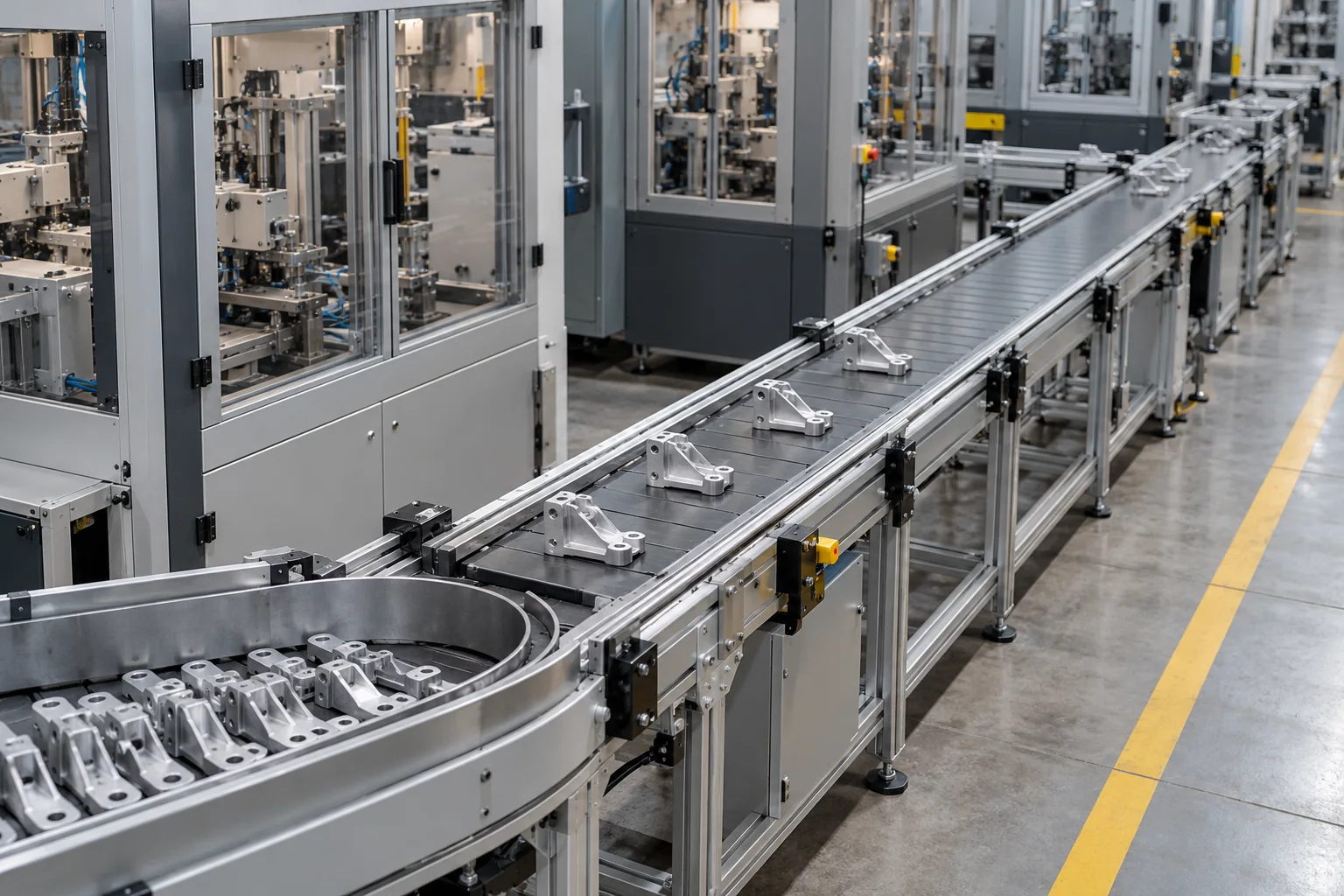
Connect machine activity to production visibility.
Use OT data to frame factory monitoring software around production flow, interruptions and the decisions a shift needs to make.
Explore production
A production question usually begins with a line that paused, a changeover that ran long or a shift that finished below plan. Machine activity, production records and operator observations each contribute to a useful account.
These perspectives connect production monitoring with the decisions a team needs to make. Explore how to define an event, compare operating periods and assess the evidence behind a dashboard, then move into the processes of your industry.
Questions to begin with
A useful route into the subject
Use OT data to frame factory monitoring software around production flow, interruptions and the decisions a shift needs to make.
A practical way to investigate production downtime: establish the event, examine competing explanations and keep the limits of the evidence visible.
Follow the question
Search every perspective and reading series by question, topic or industry.
The deeper series remain connected within their articles.
Search titles, introductions and section headings.
46 perspectives and guides
Questions worth exploring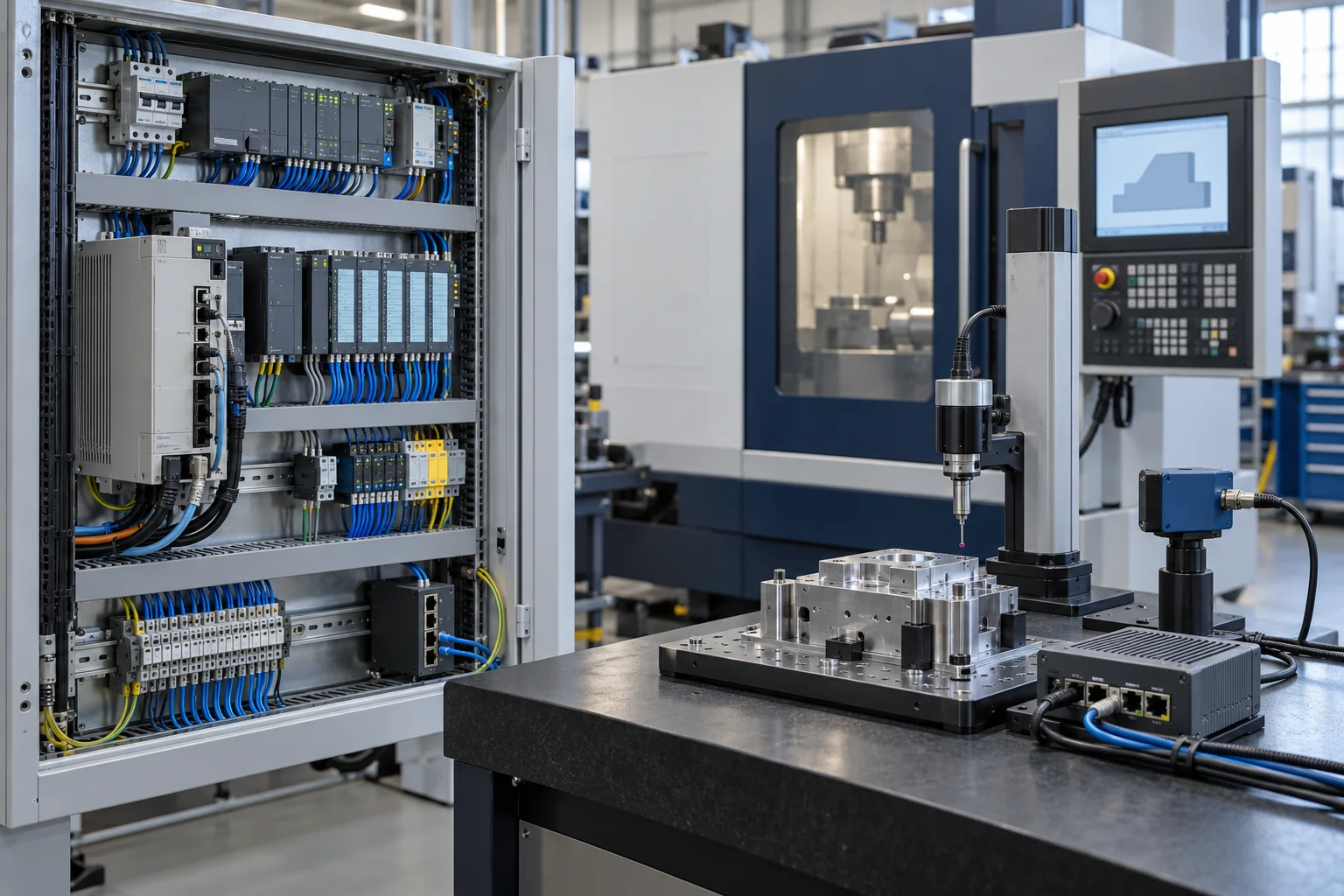
Explore PLC data collection, industrial interoperability and edge computing choices for useful machine connectivity across a mixed shop floor.
A practical way to investigate production downtime: establish the event, examine competing explanations and keep the limits of the evidence visible.
Manufacturing
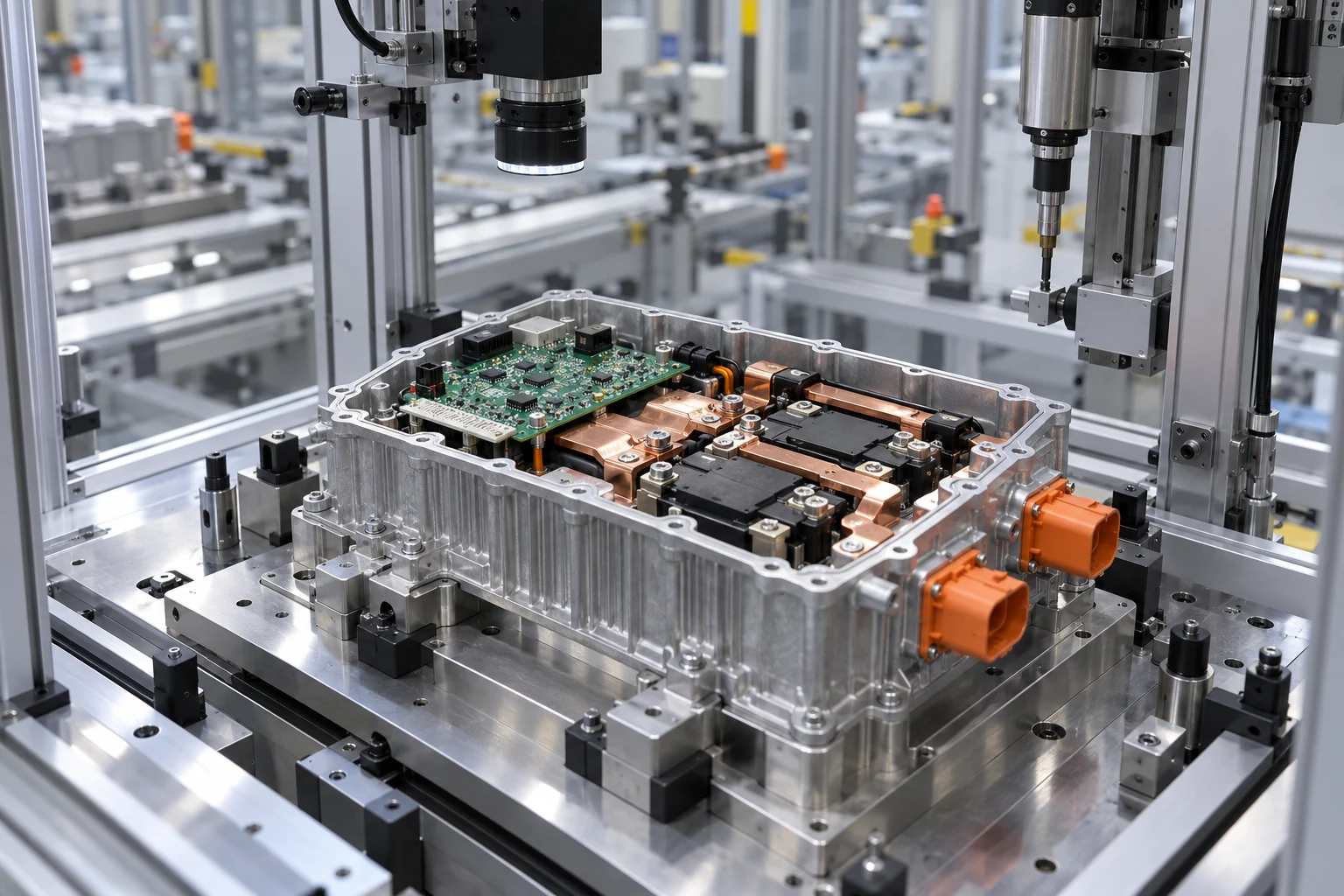
Follow electronic control units and power-conversion assemblies through approved components, joining, thermal integration, traceability and verification.
Manufacturing
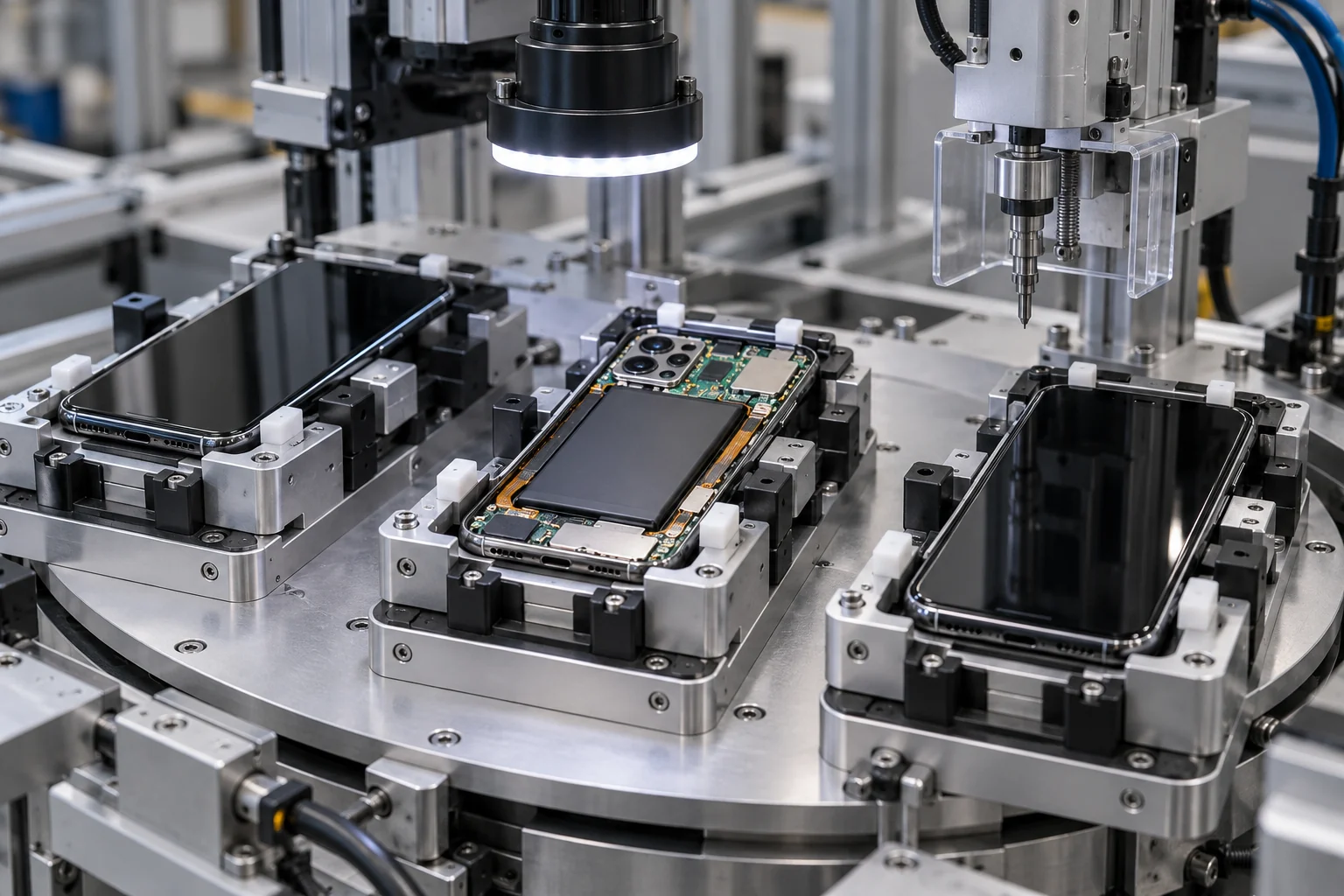
Follow mobile phone manufacturing through module assembly, battery integration, firmware, device identity and controlled radio-frequency testing.
Manufacturing
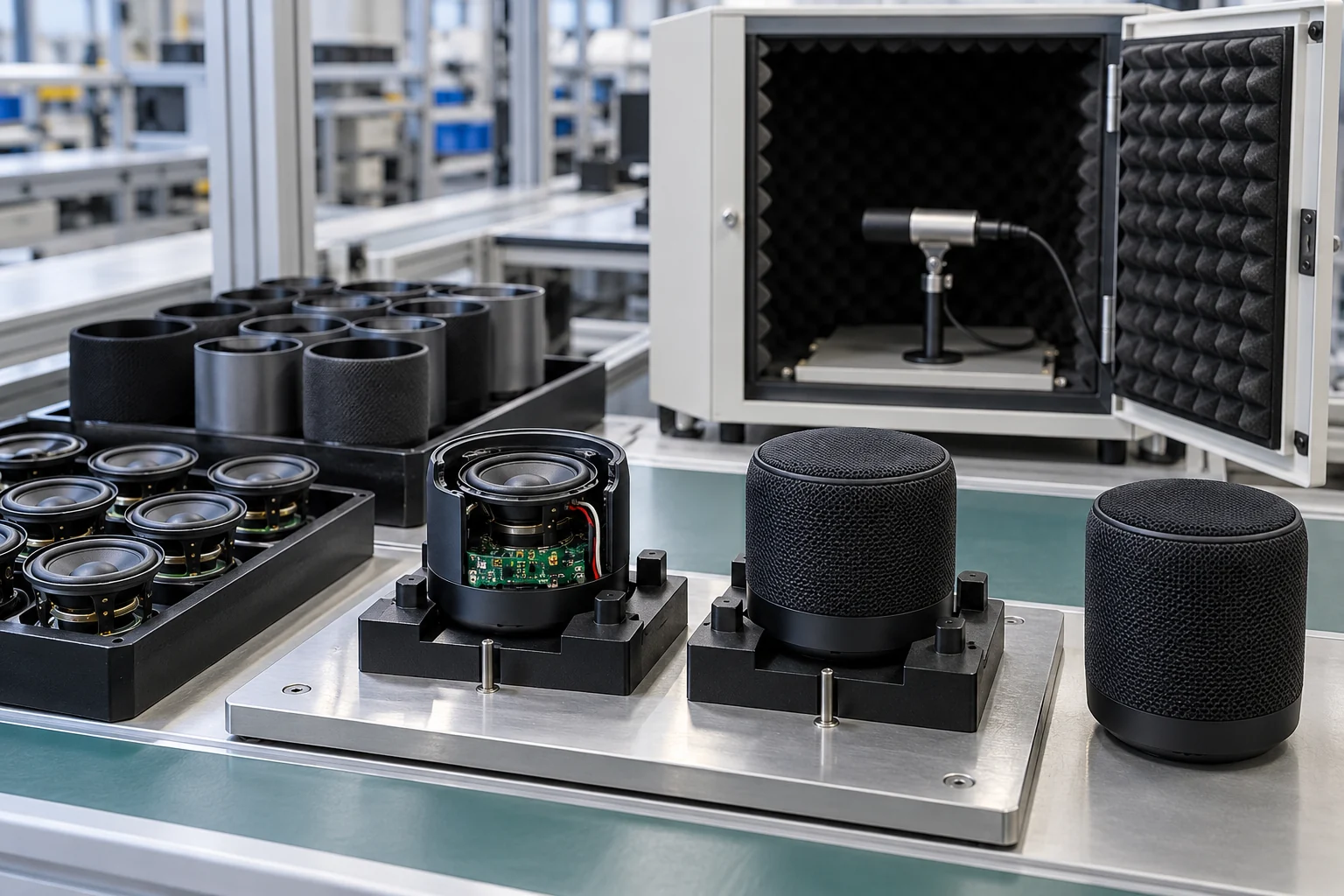
Explore consumer electronics manufacturing for audio products, wearables and connected devices through assembly, acoustics, pairing and final verification.
Manufacturing
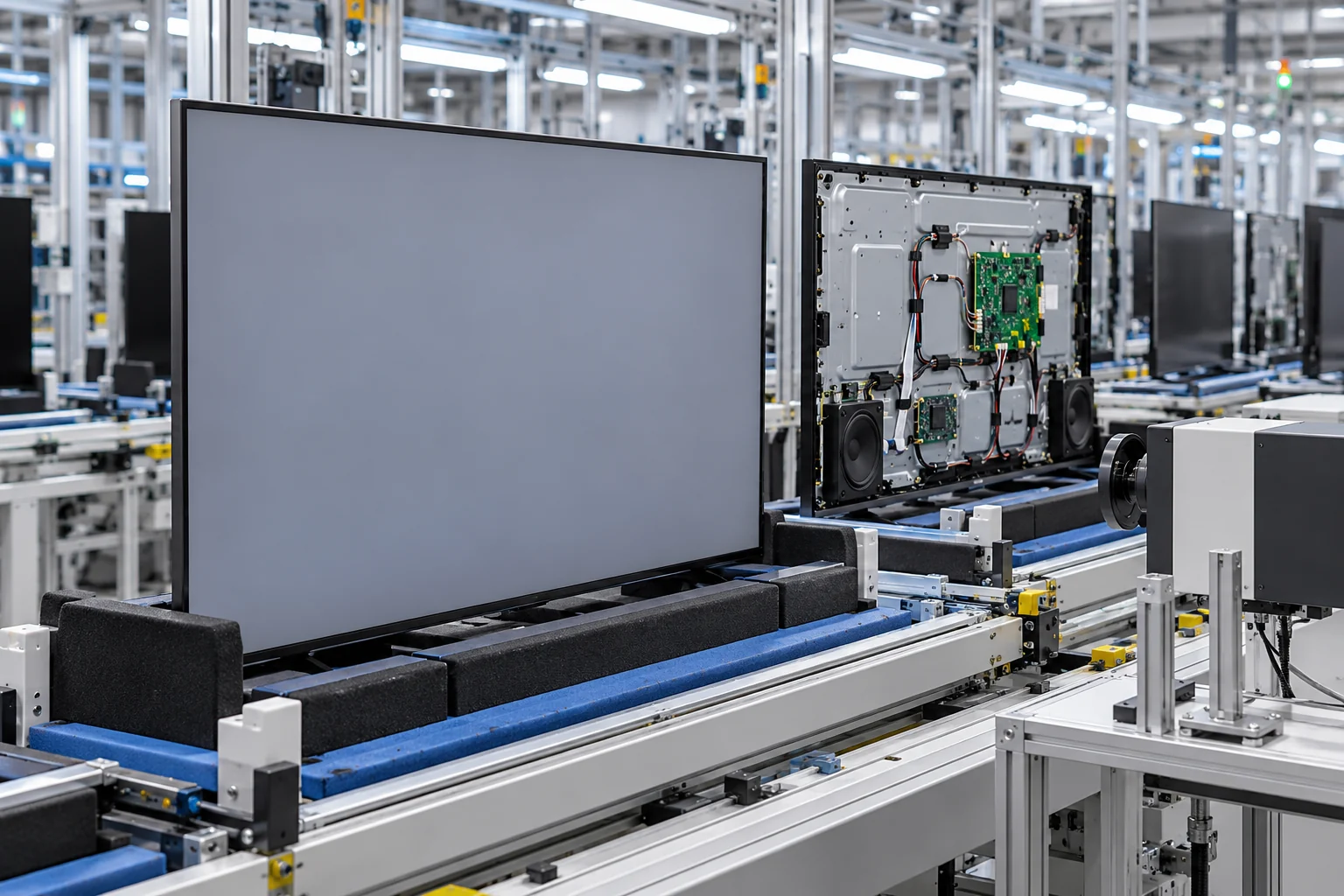
Explore television manufacturing through panel handling, module integration, optical inspection, firmware and final interface verification.
Manufacturing
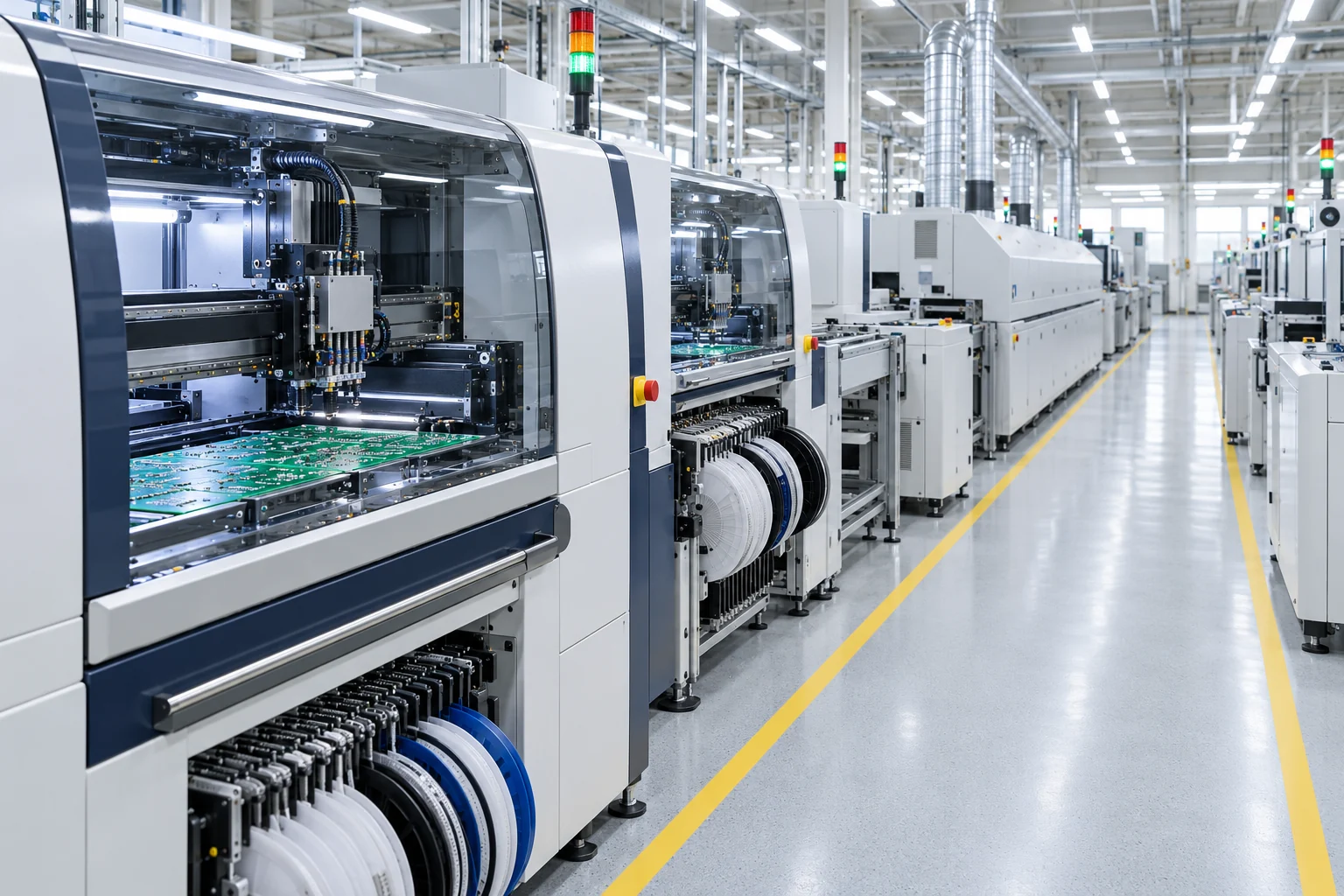
Explore electronics manufacturing from PCB fabrication and PCBA to televisions, mobile phones, appliances, consumer products, automotive power systems and testing.
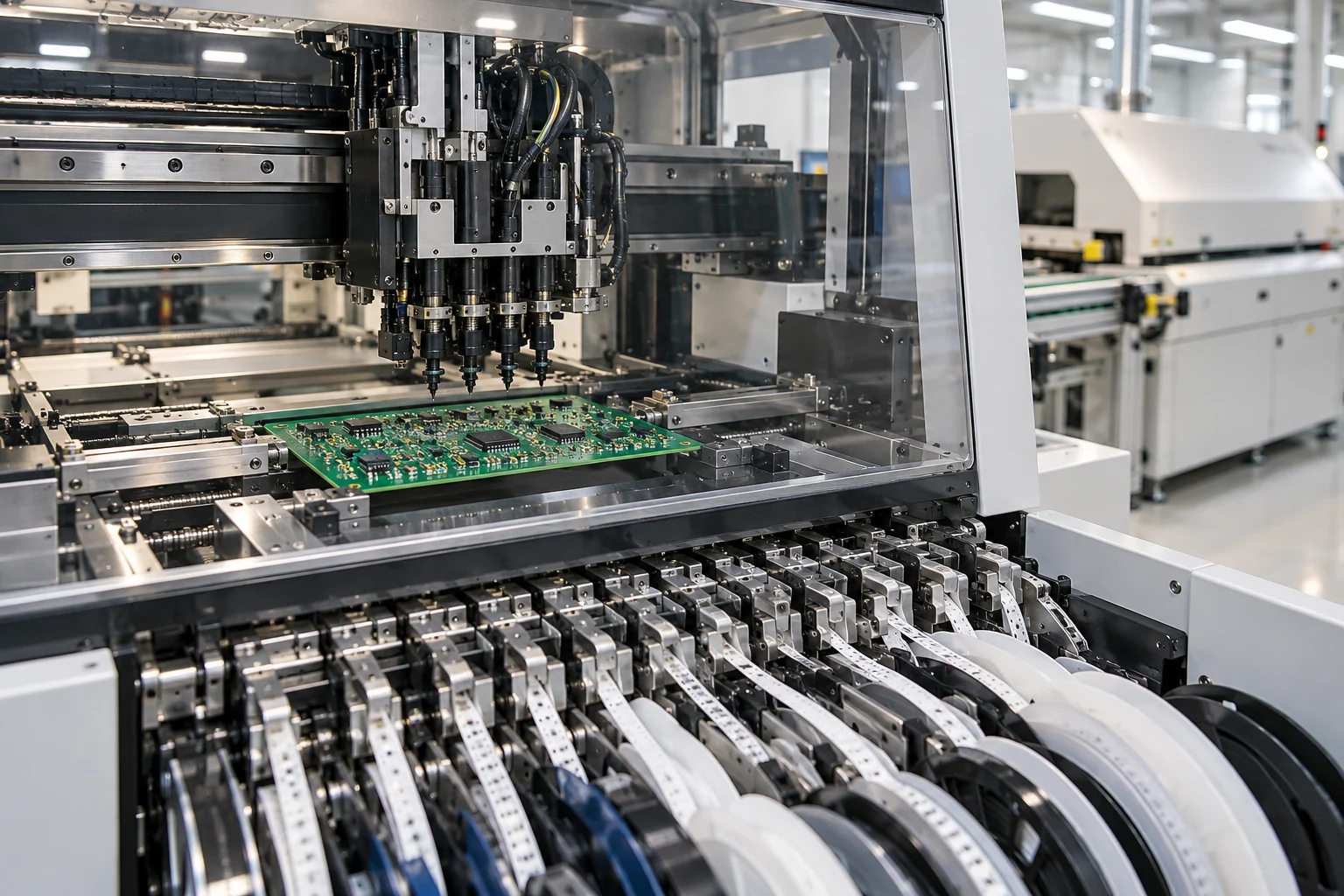
Manufacturing
Connect solder paste inspection, component placement and reflow history to understand process variation in modern electronics assembly.
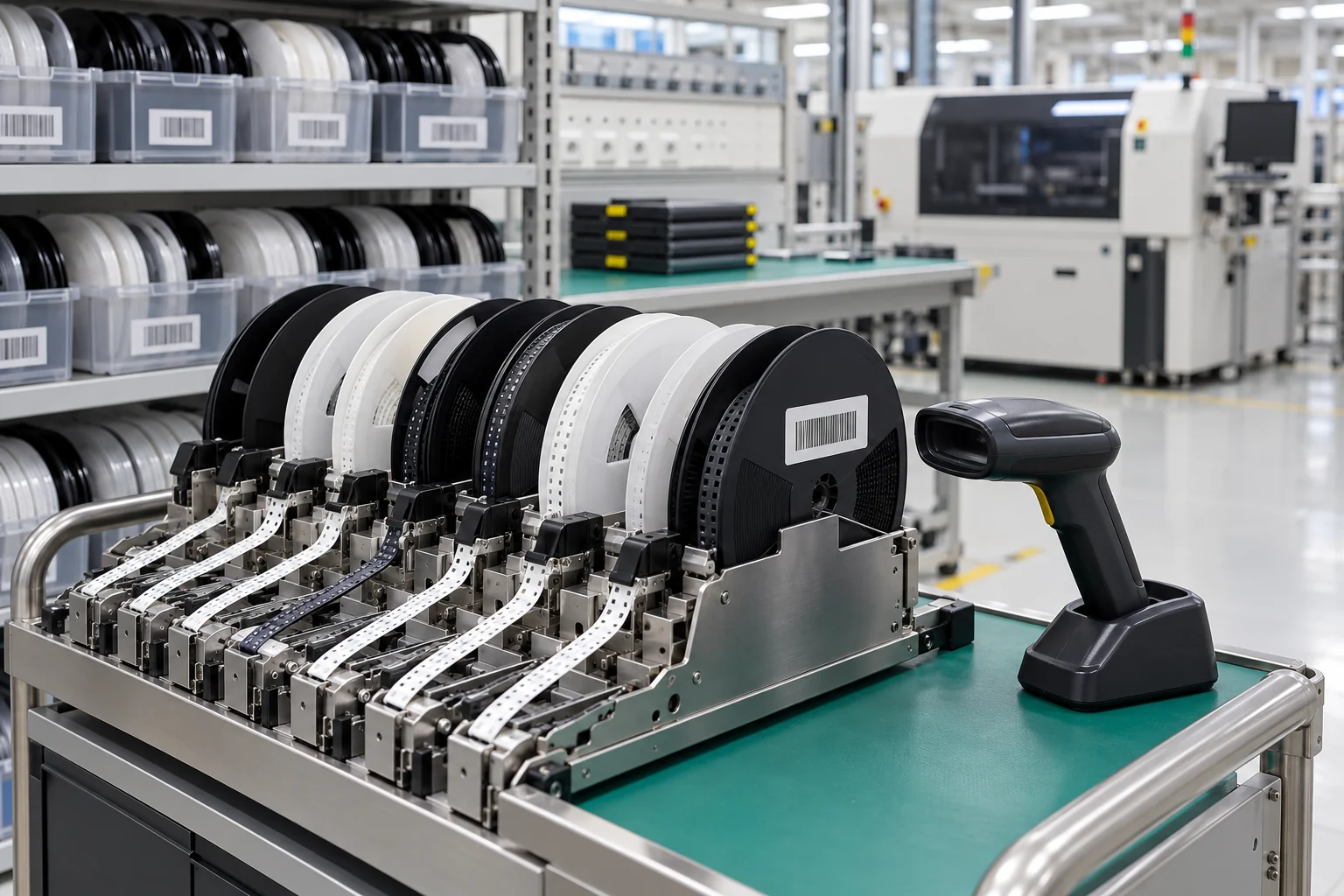
Manufacturing
Connect component lots, board serials, firmware and approved revisions so electronics manufacturing teams can investigate faults and manage high-mix changeovers.
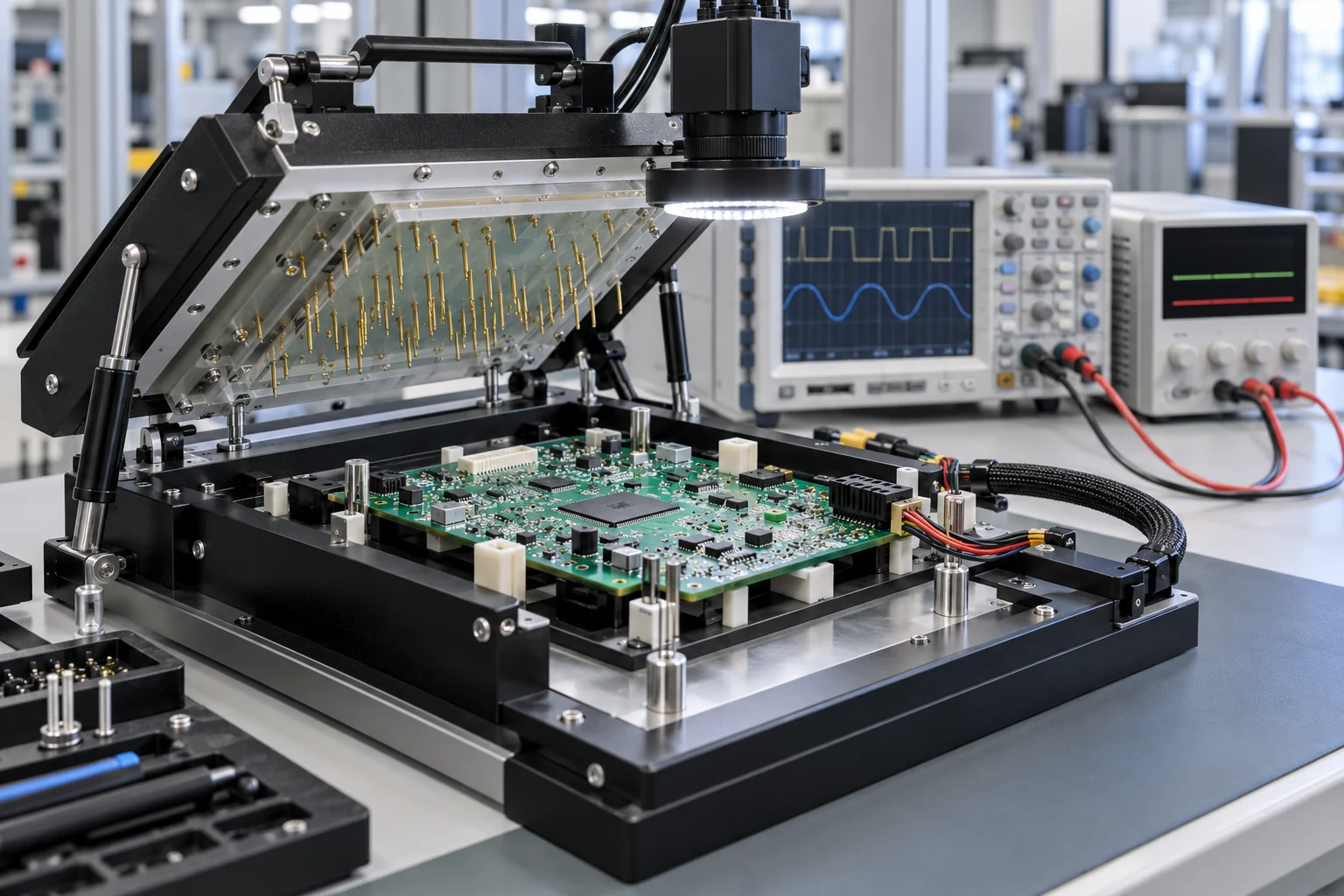
Manufacturing
Understand AOI, X-ray, in-circuit and functional testing through coverage, configuration, first-pass yield and a traceable rework history.
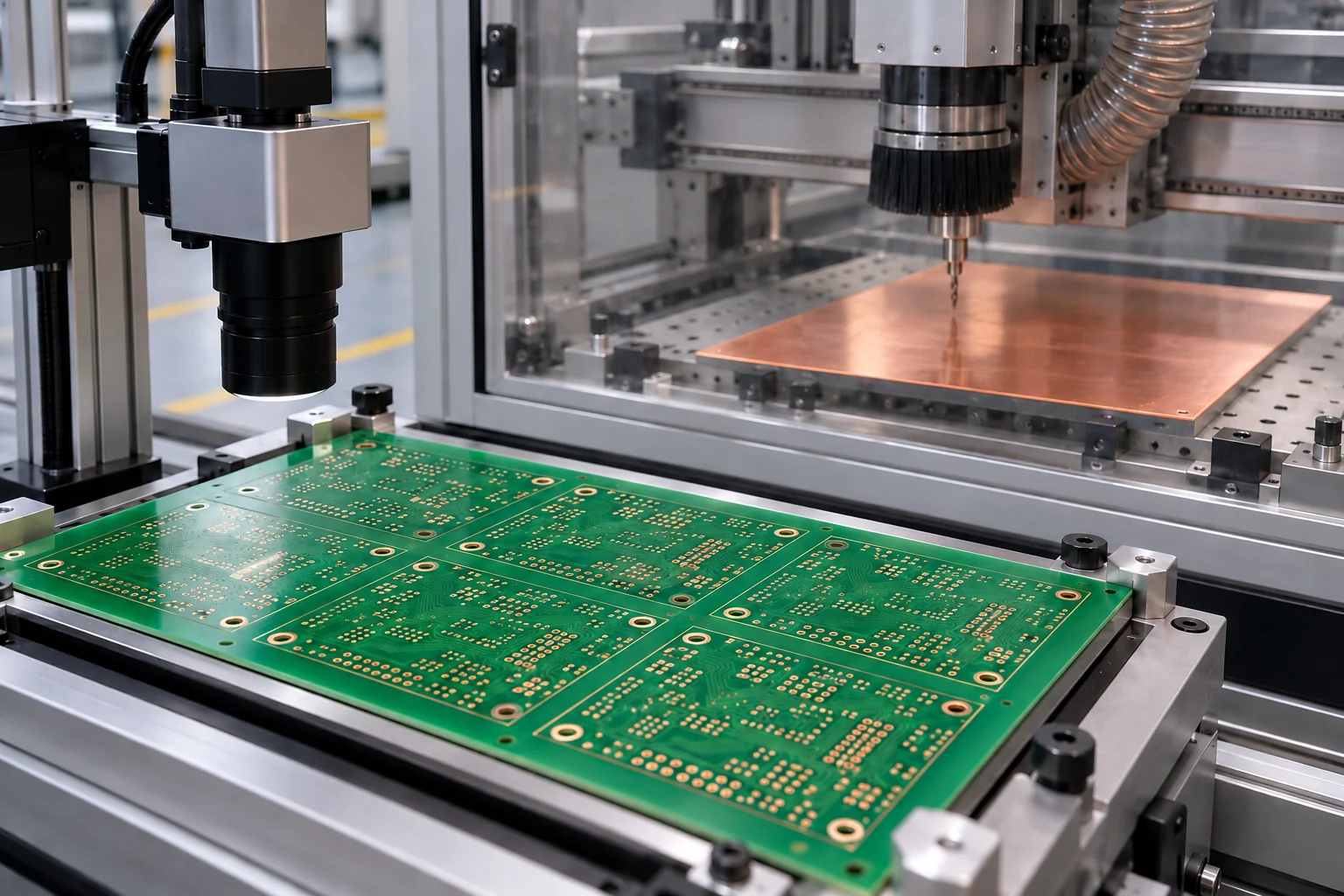
Manufacturing
Follow bare printed circuit board fabrication through approved data, material stackup, drilling, plating, inspection and electrical test before assembly.
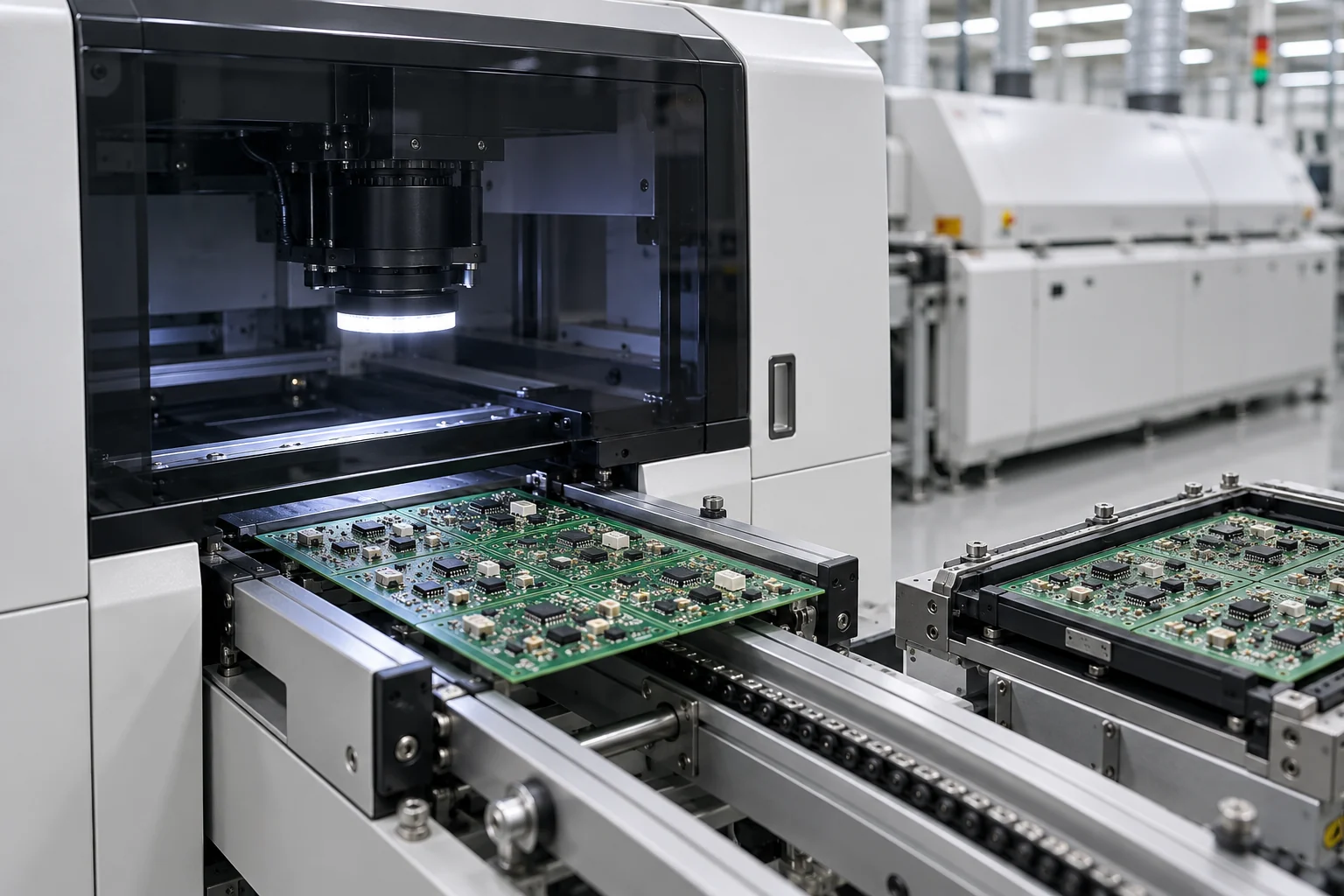
Manufacturing
Follow printed circuit board assembly from engineering release through mixed assembly, cleanliness, coating, depaneling and final equipment integration.
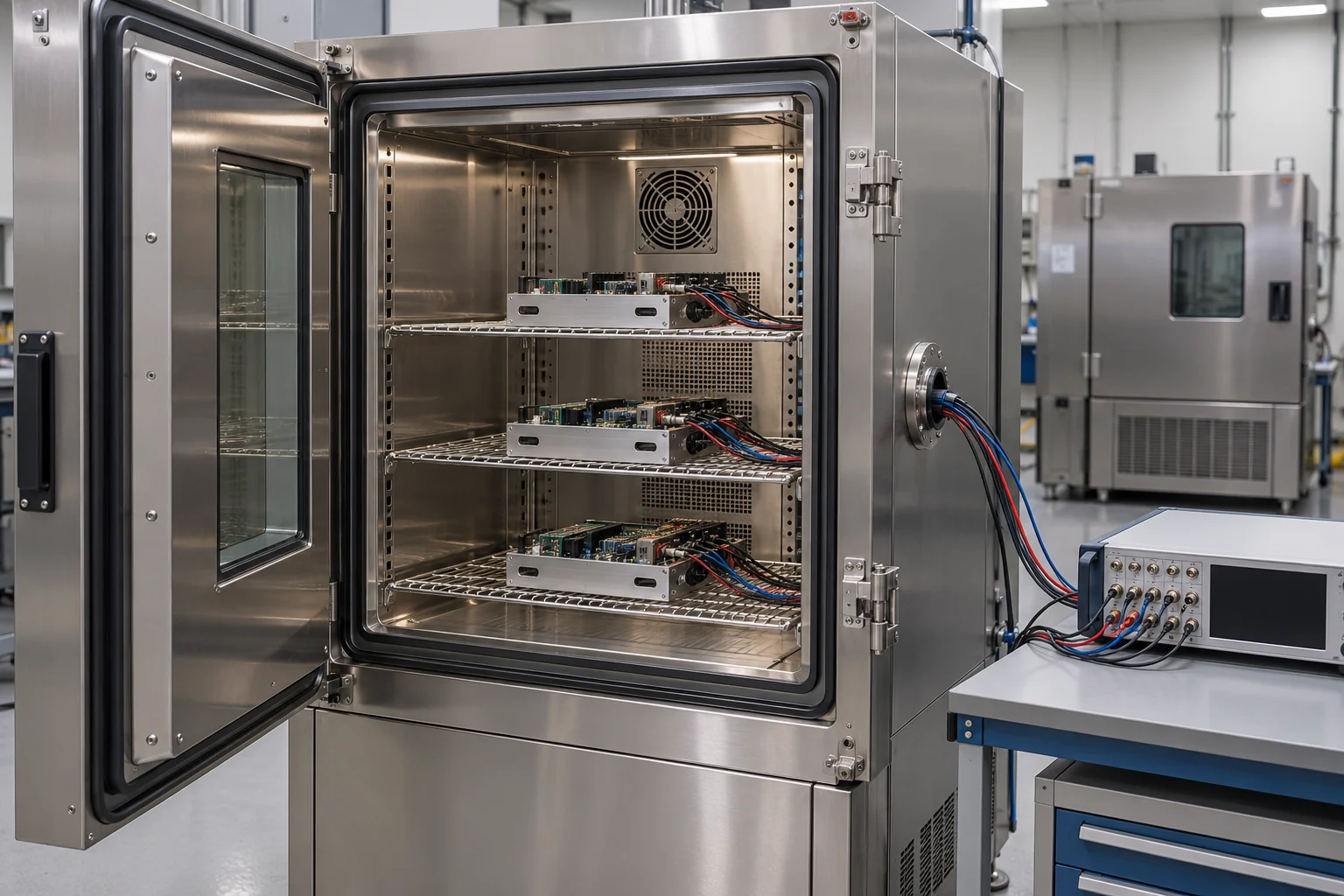
Manufacturing
Distinguish production verification, design qualification and reliability screening, with clear test purpose, representative samples and failure analysis.
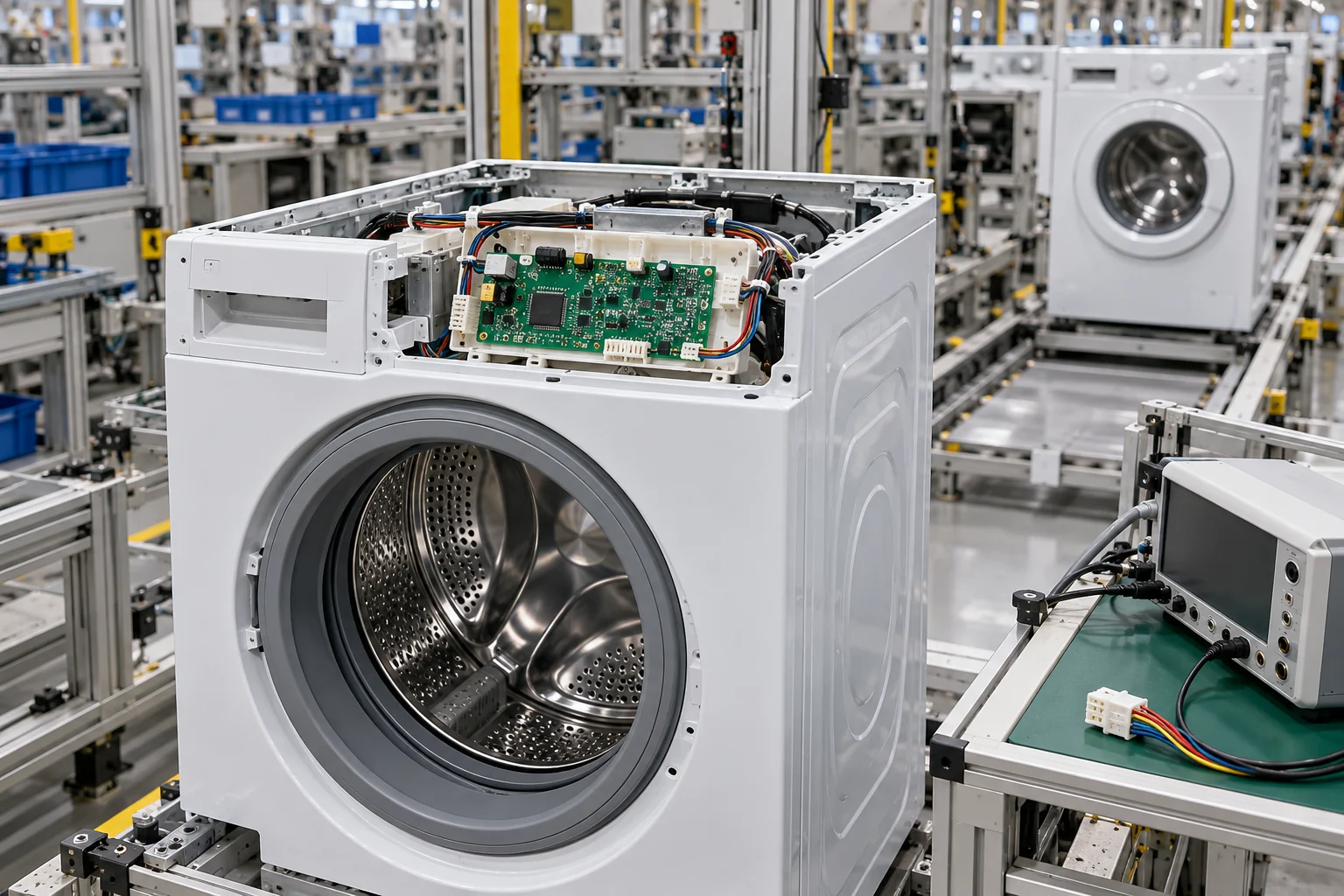
Manufacturing
Explore home-appliance manufacturing through control boards, motors, sensors, wiring harnesses, software and verification of the finished appliance.
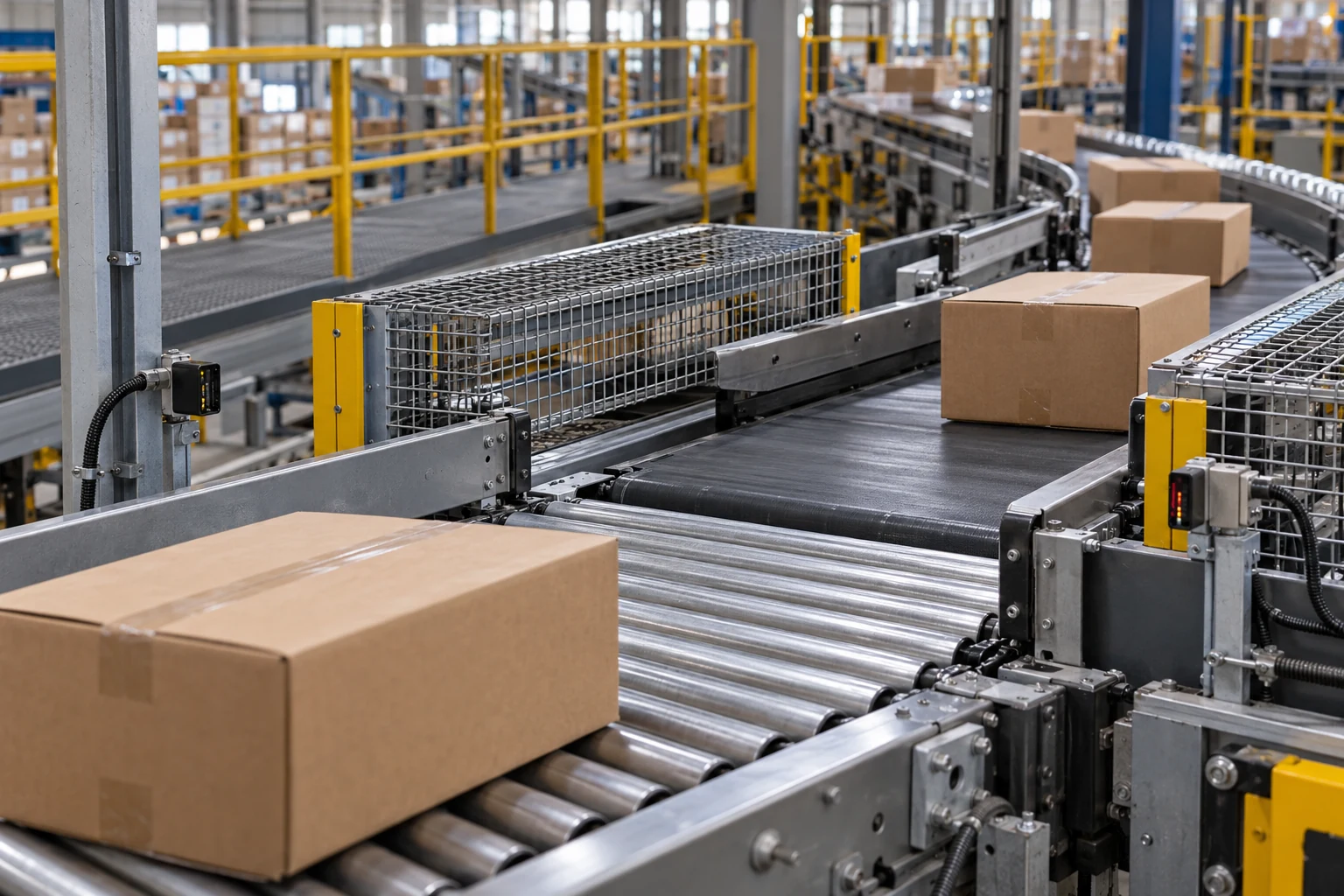
Warehousing & Logistics
Operational review of conveyors, sorters, scanning and transfer points with upstream and downstream material context.
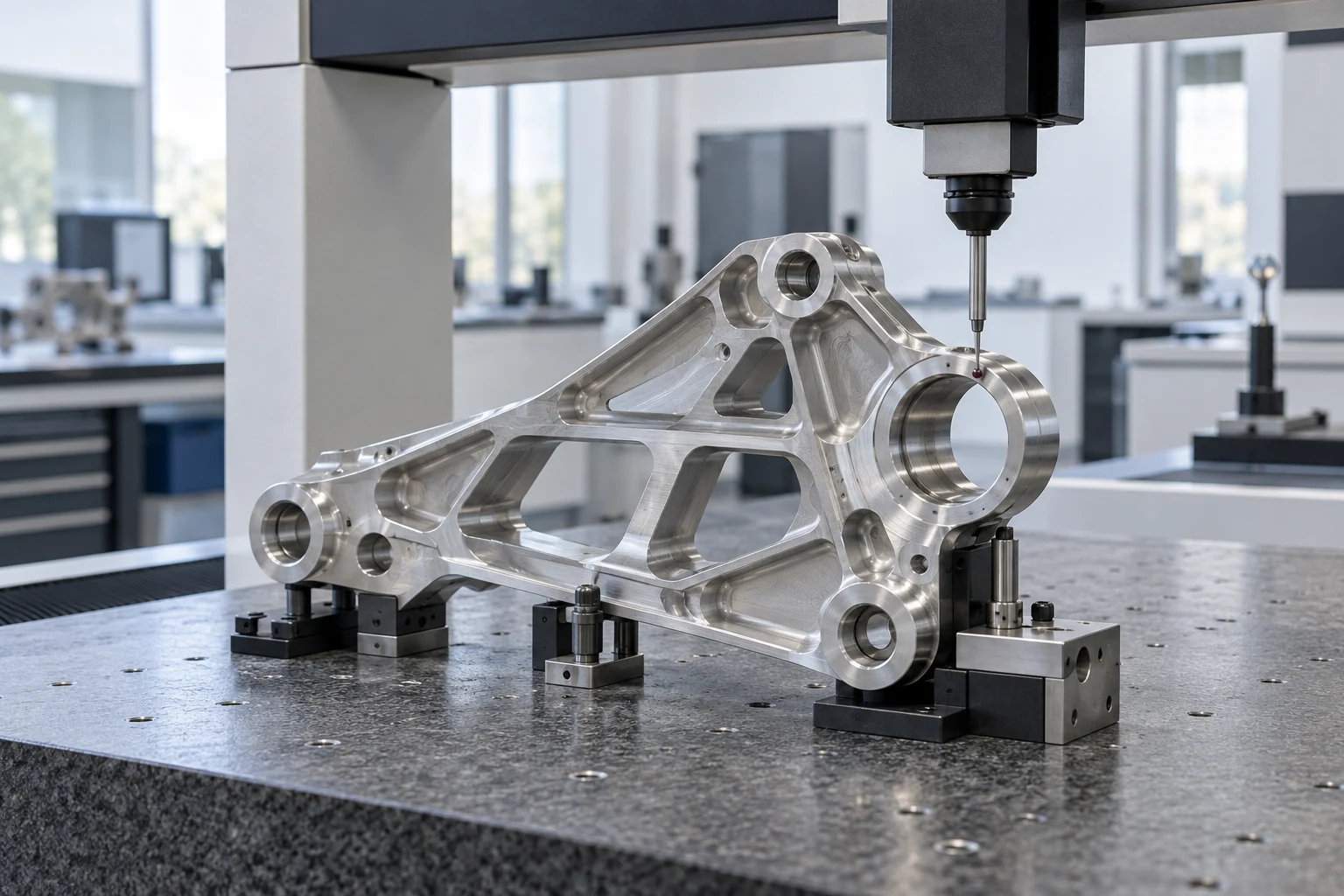
Aerospace
Practical questions for reviewing aerospace production activity, process deviations and measurement evidence without confusing an OT record with acceptance authority.
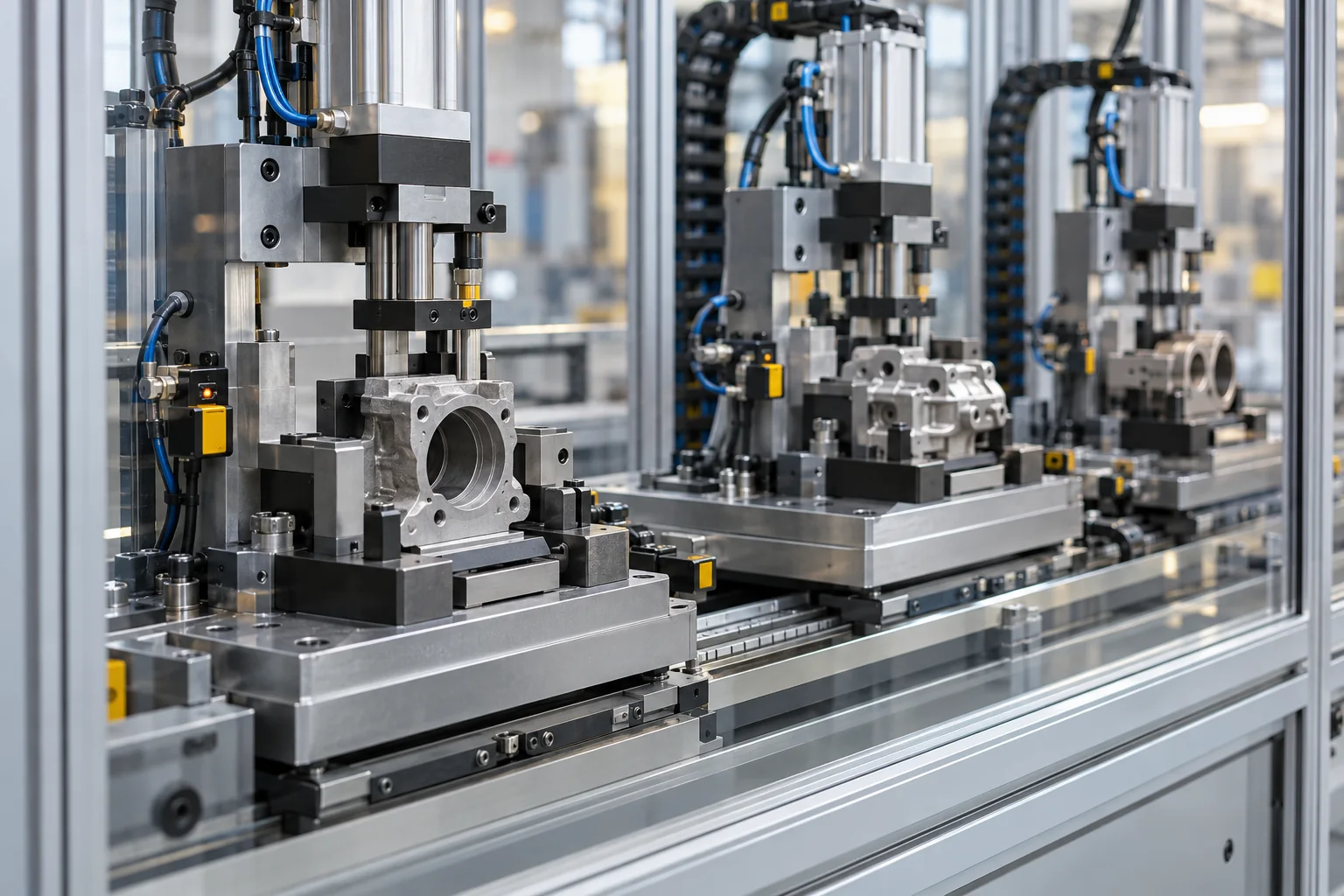
Explore SPM cycle visibility through meaningful stage boundaries, waiting, blocked conditions, repeated attempts and the sequence behind a production delay.
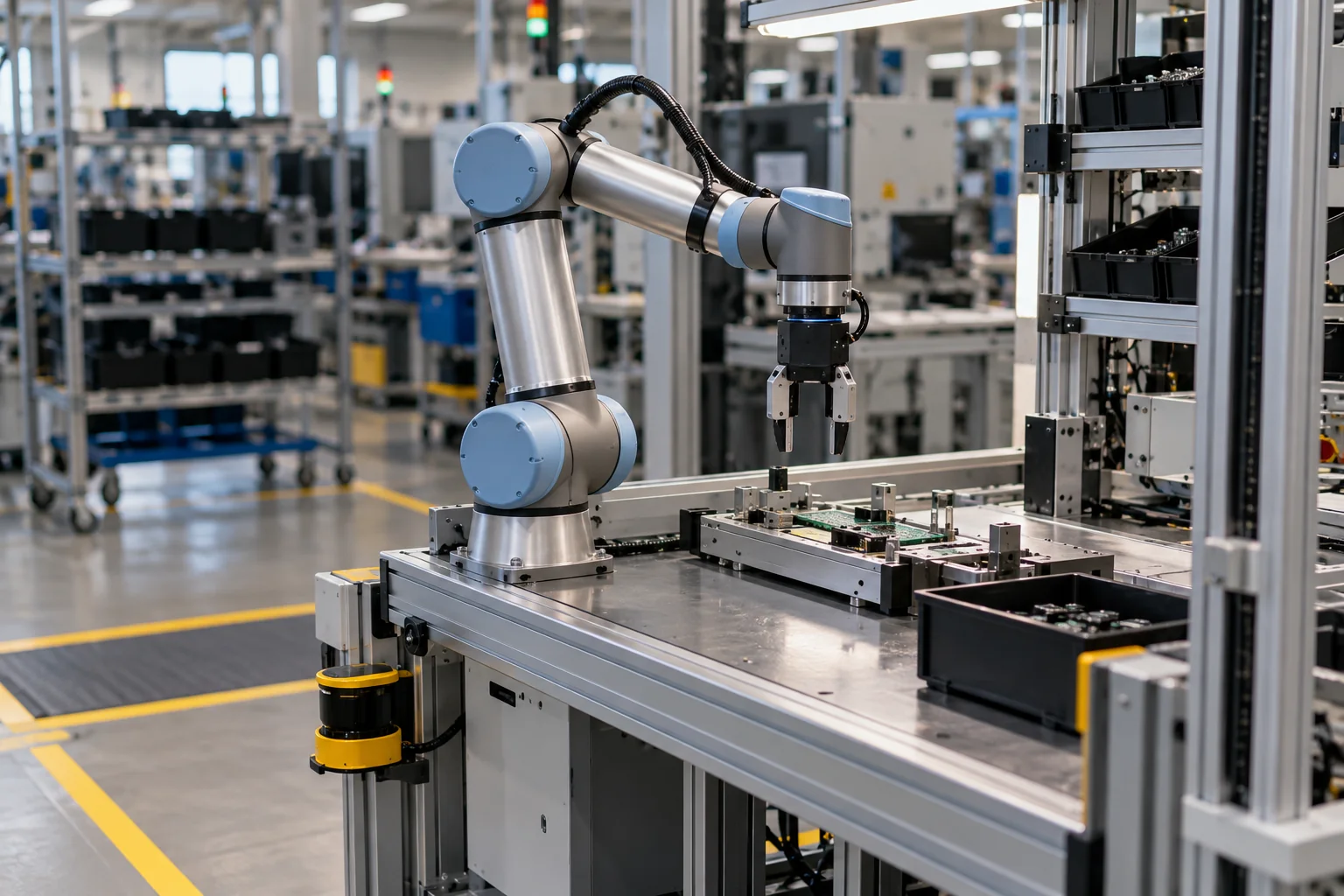
Explore industrial cobots through application suitability, human work, task quality, operating context and responsibility across the collaborative cell.
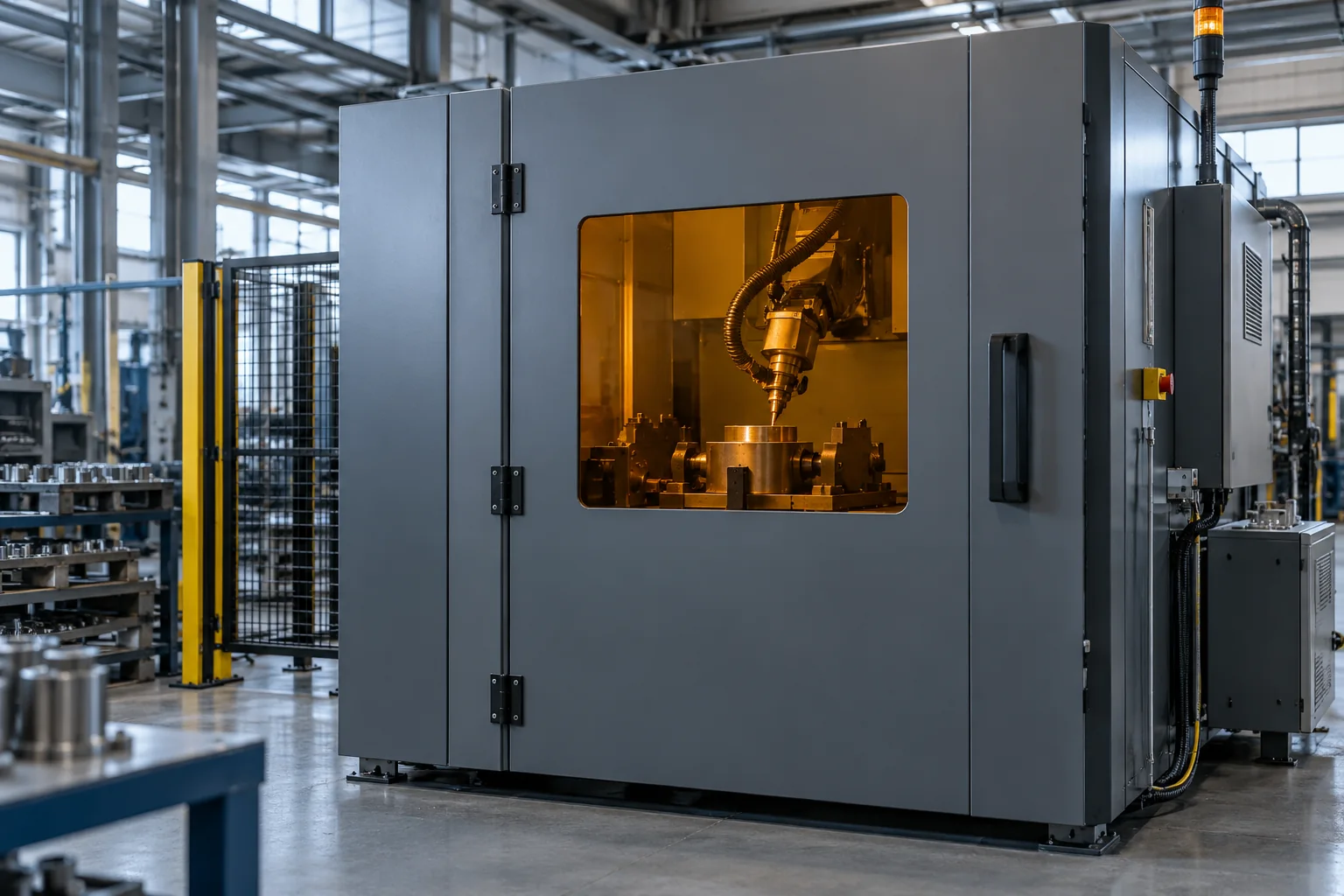
Explore robotic laser welding through joint identity, equipment context, process-monitoring limits and the evidence needed for quality review.
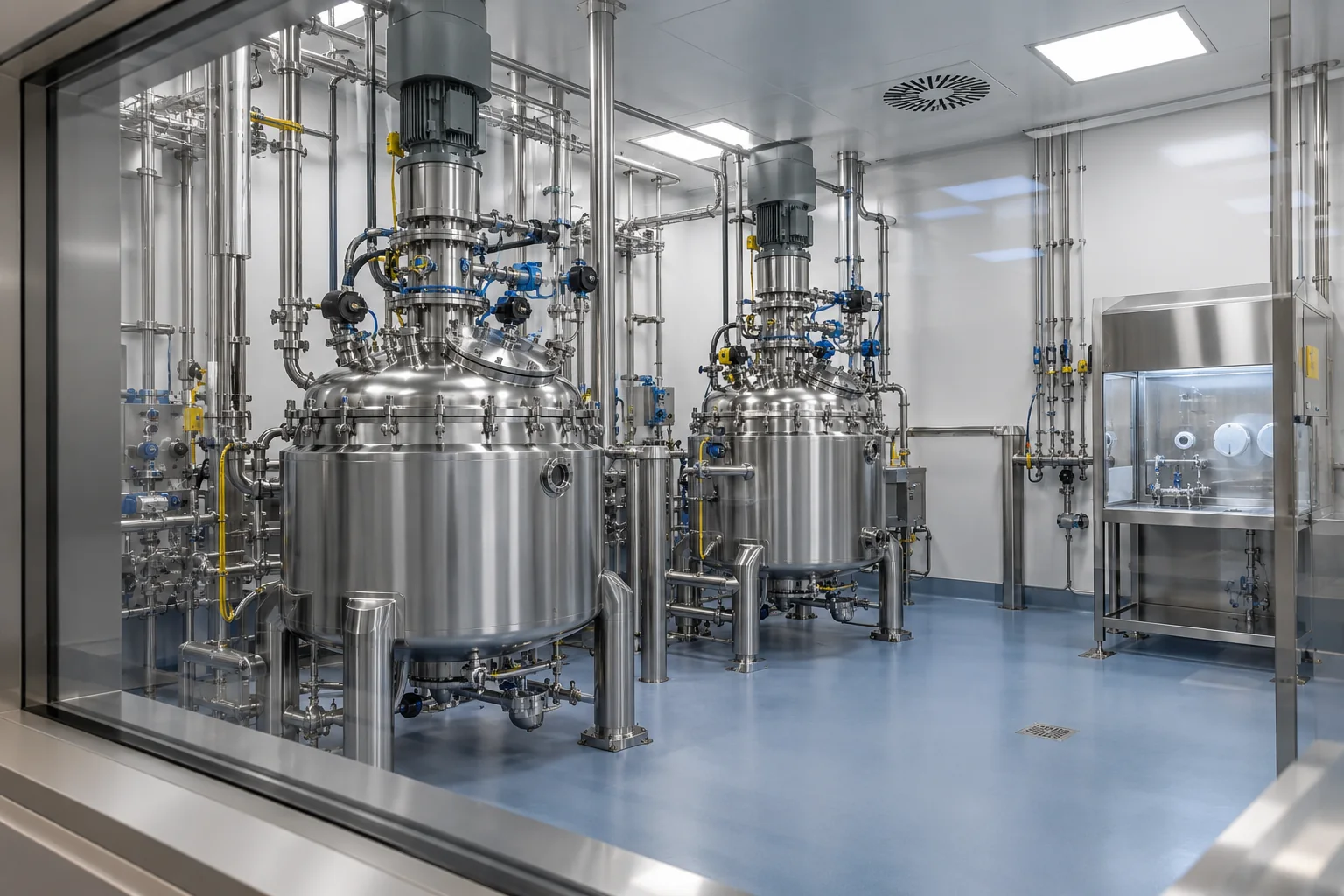
Pharmaceuticals
A practical guide to relating pharmaceutical batch questions to process stages, equipment history and supporting records without losing the meaning of the evidence.
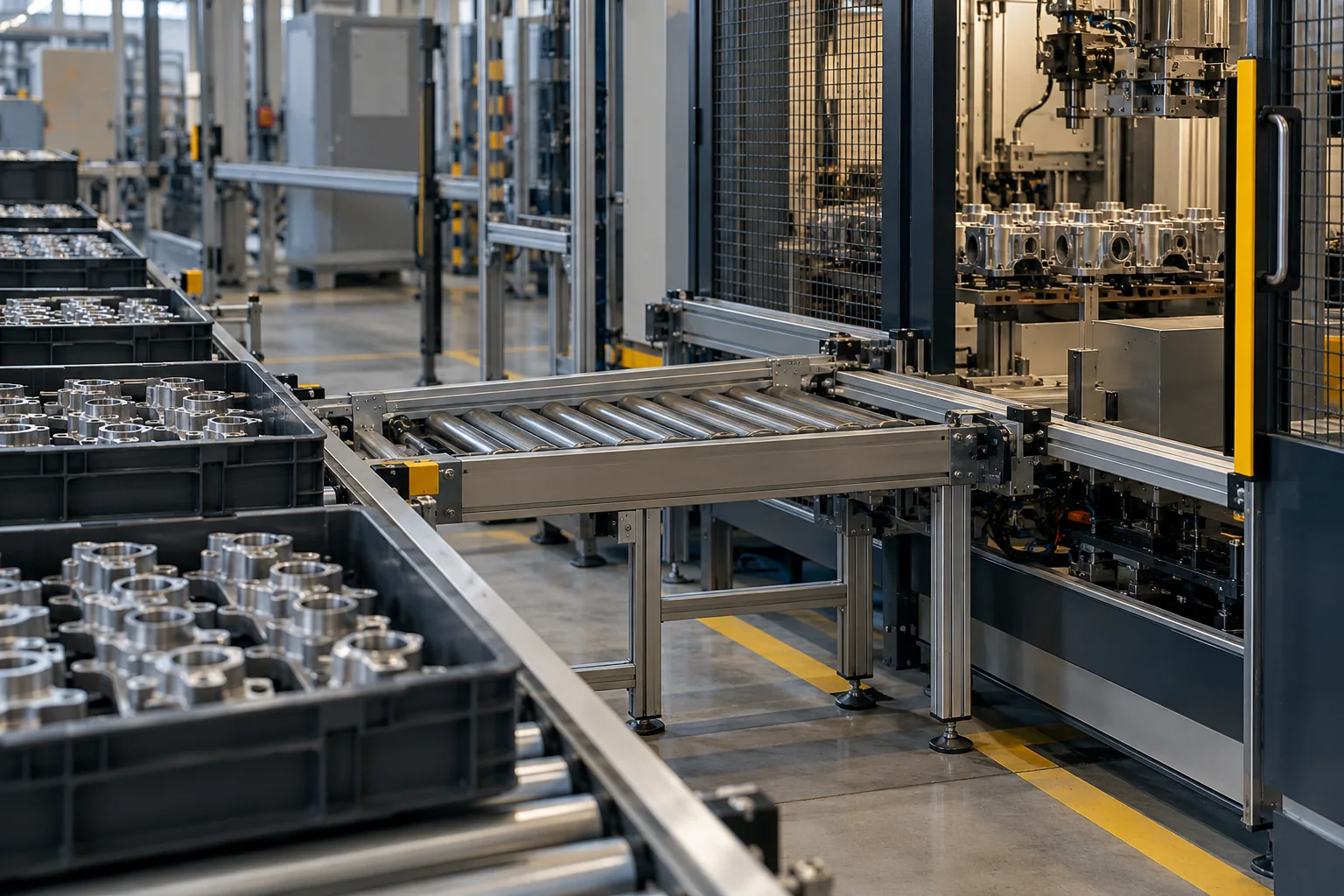
Use industrial analytics to examine hidden production losses, micro-stops, rework, energy use and coordination delays with useful OT context.
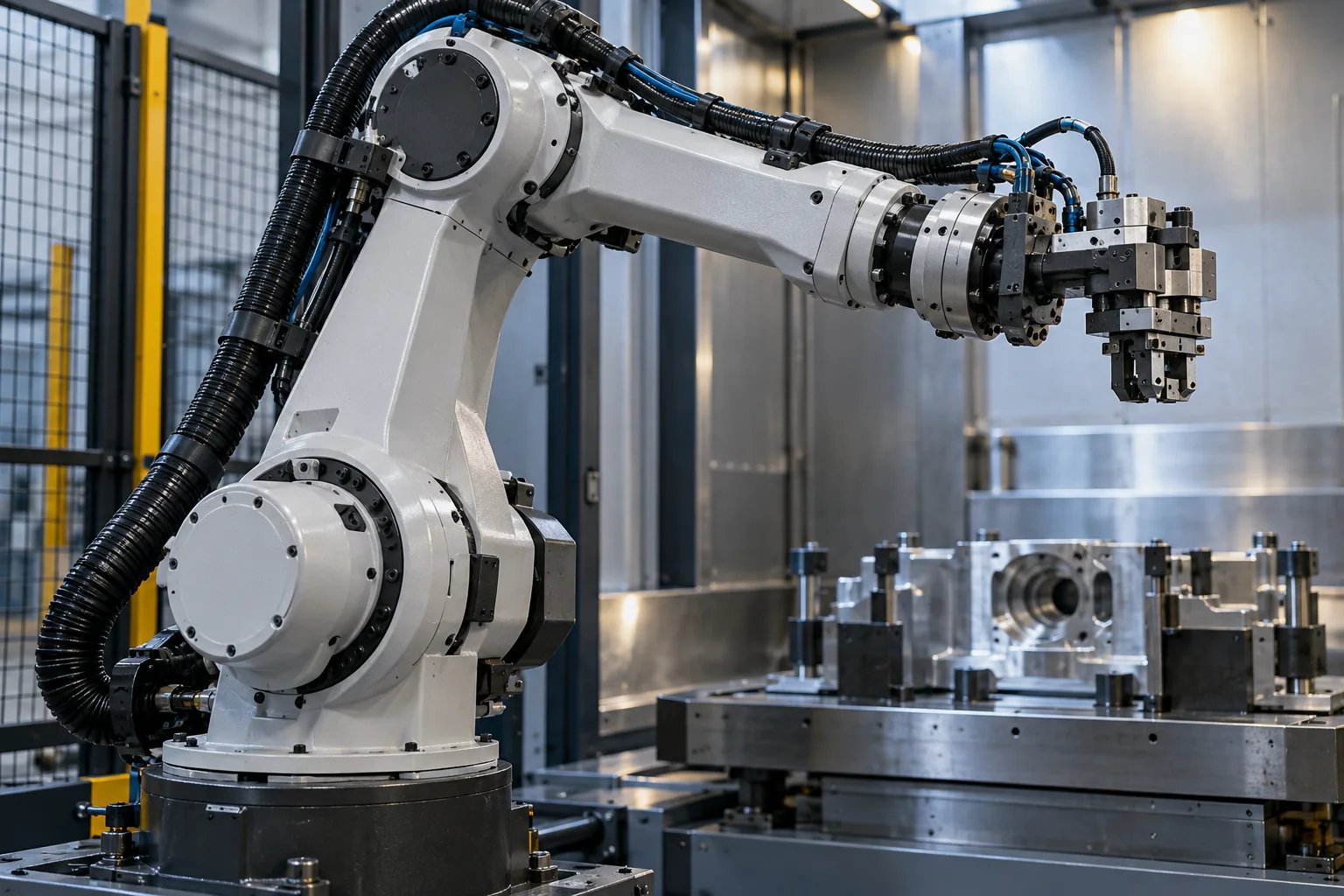
Explore robot-cell reliability through task context, positioning concerns, end-effectors, waiting, recovery and the evidence around maintenance decisions.
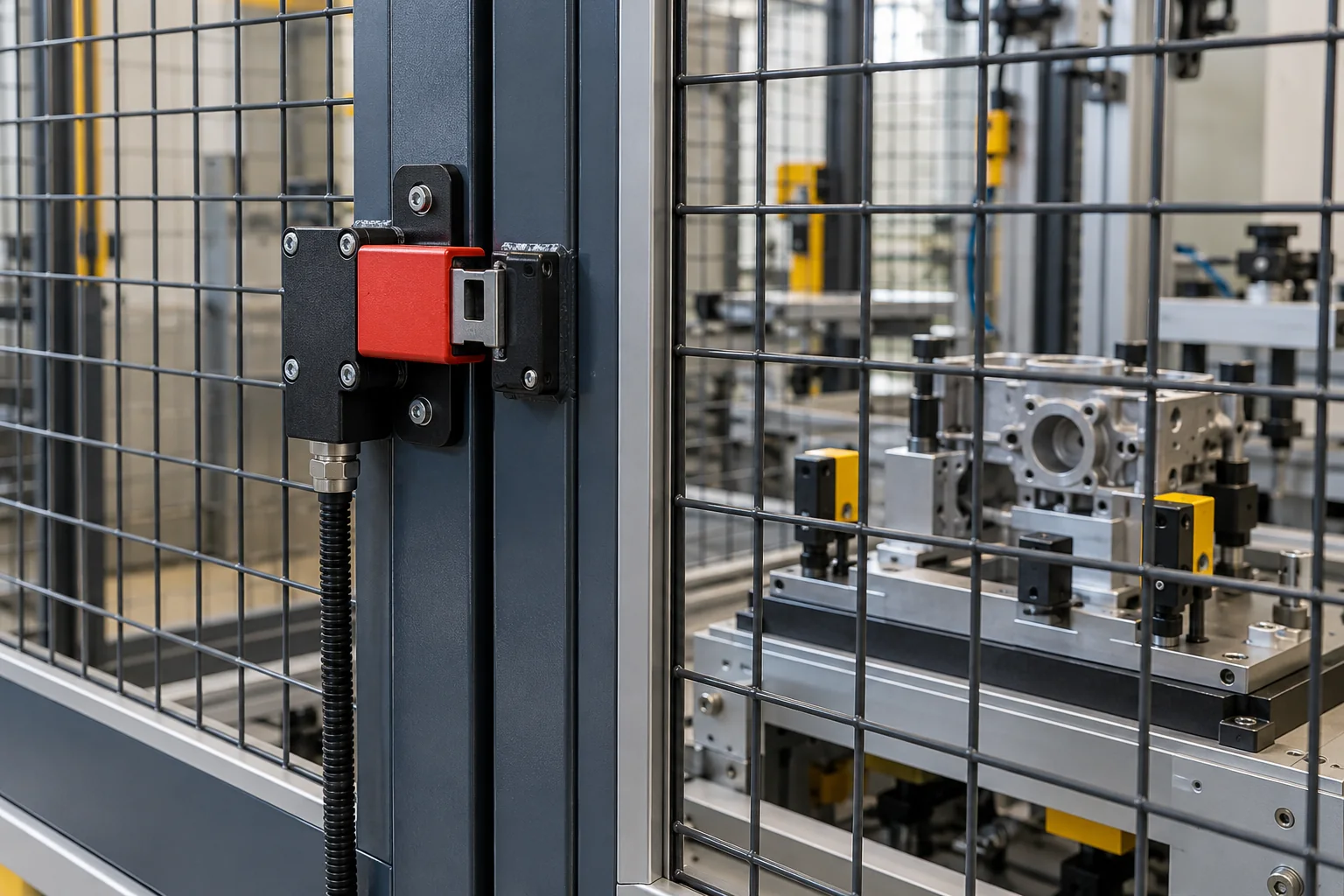
Understand prevention, detection, quality interlocks and safety functions, with operational records that explain what a check confirms and what happens next.
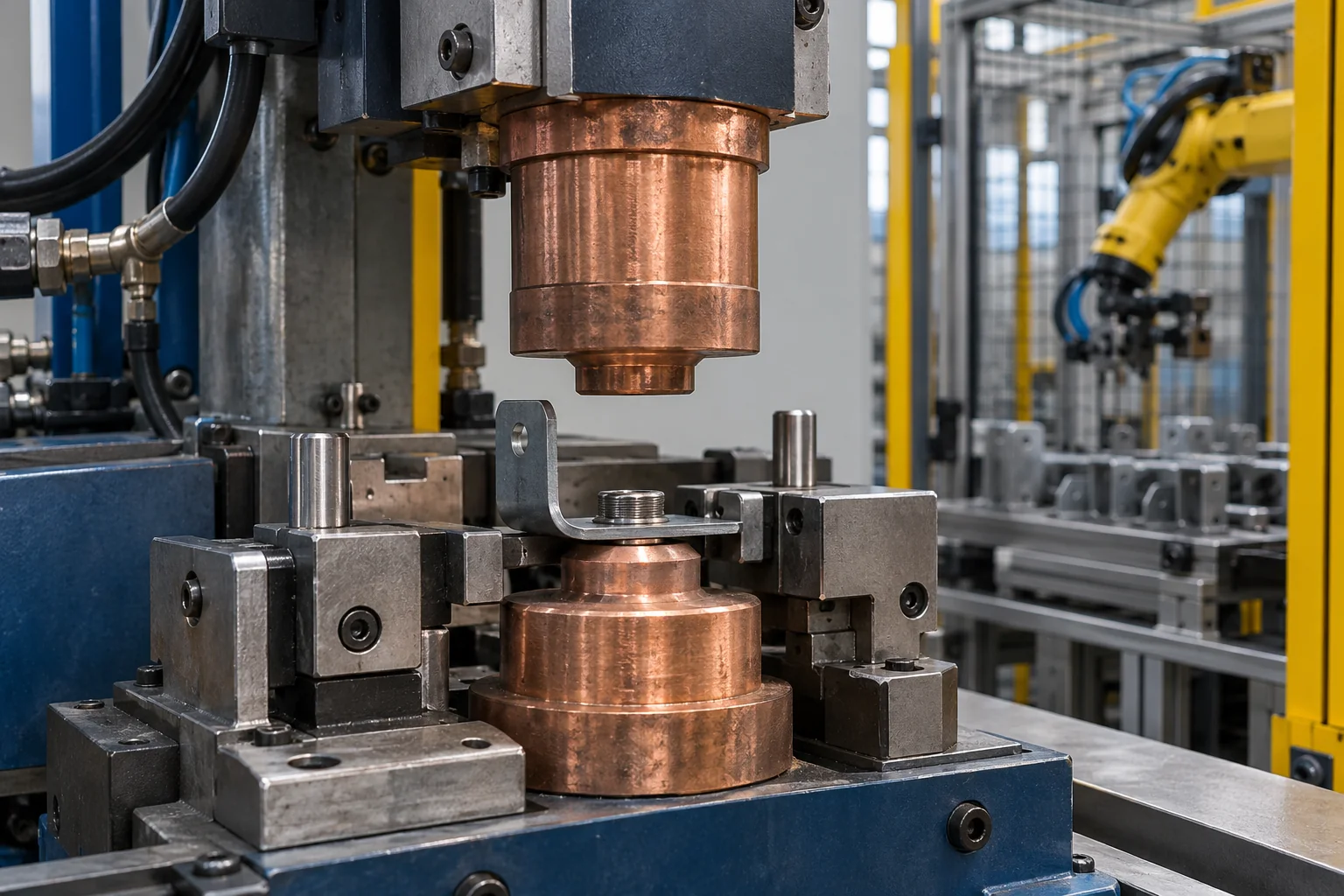
Understand projection-welding visibility through component identity, joining sequence, tooling history, process observations and quality evidence.
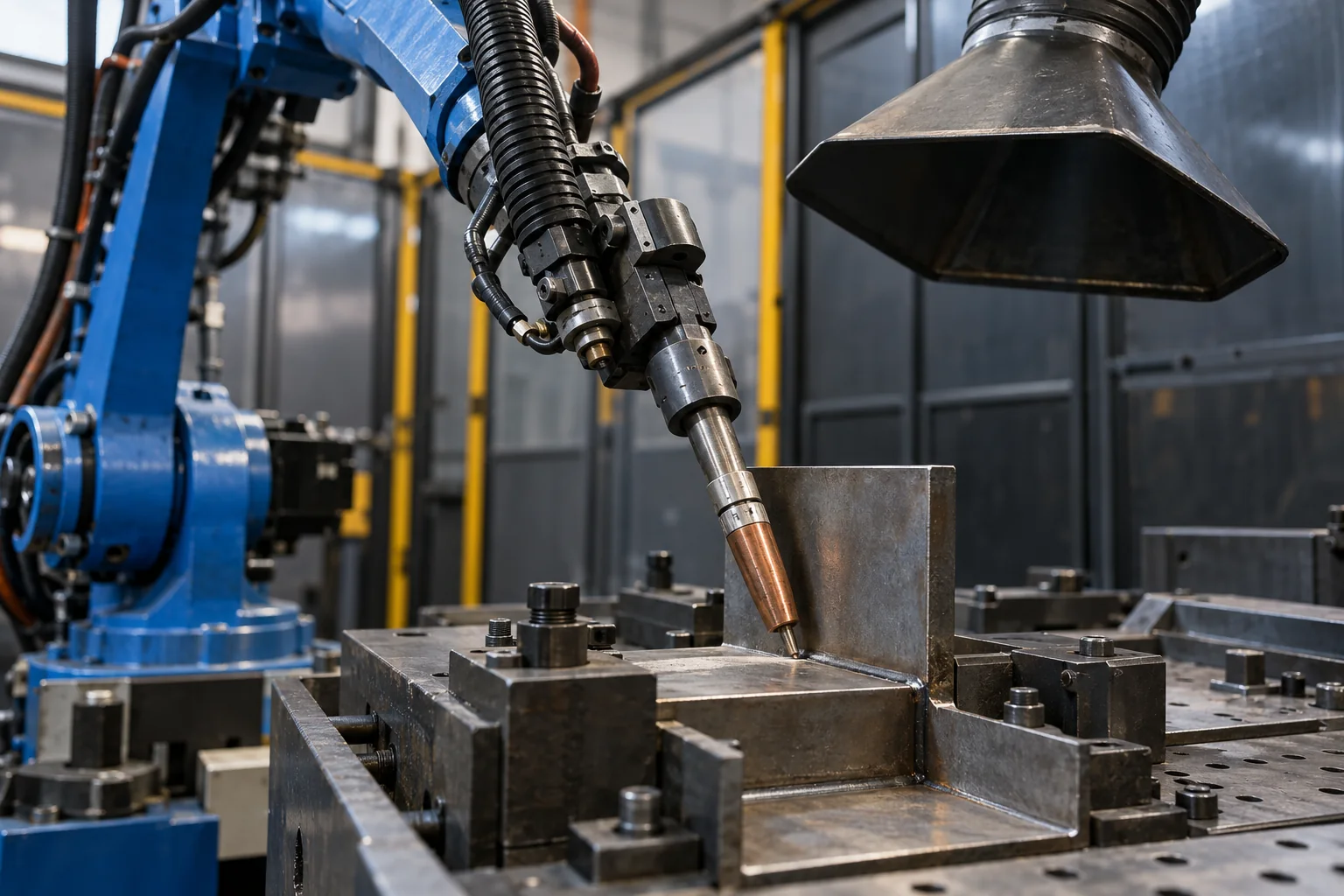
Connect robotic arc welding records with joint identity, programme changes, consumables, interruptions and inspection without confusing a cycle with acceptance.
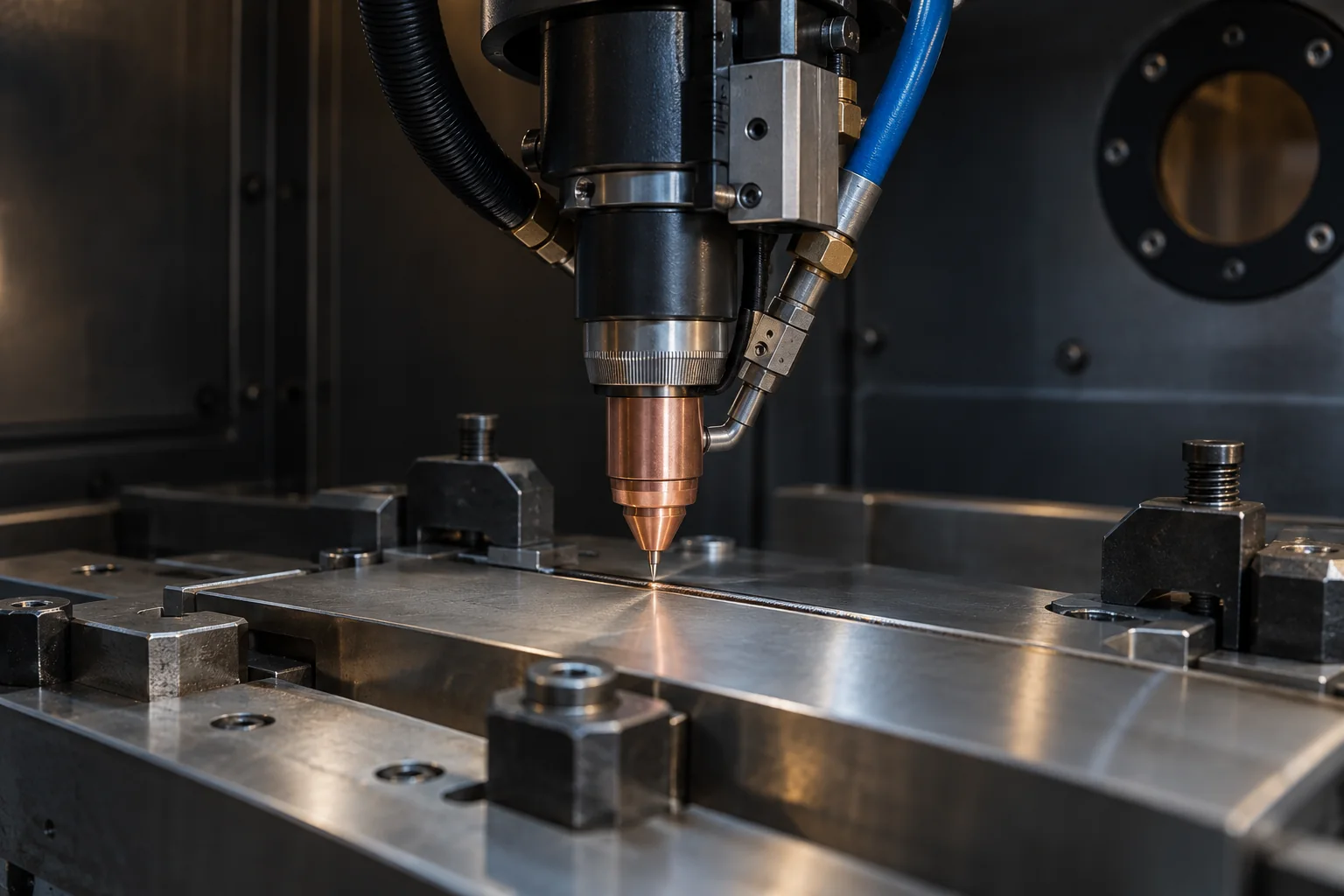
Explore plasma arc welding with clear process identity, equipment history, sequence visibility and quality records that remain tied to the relevant joint.
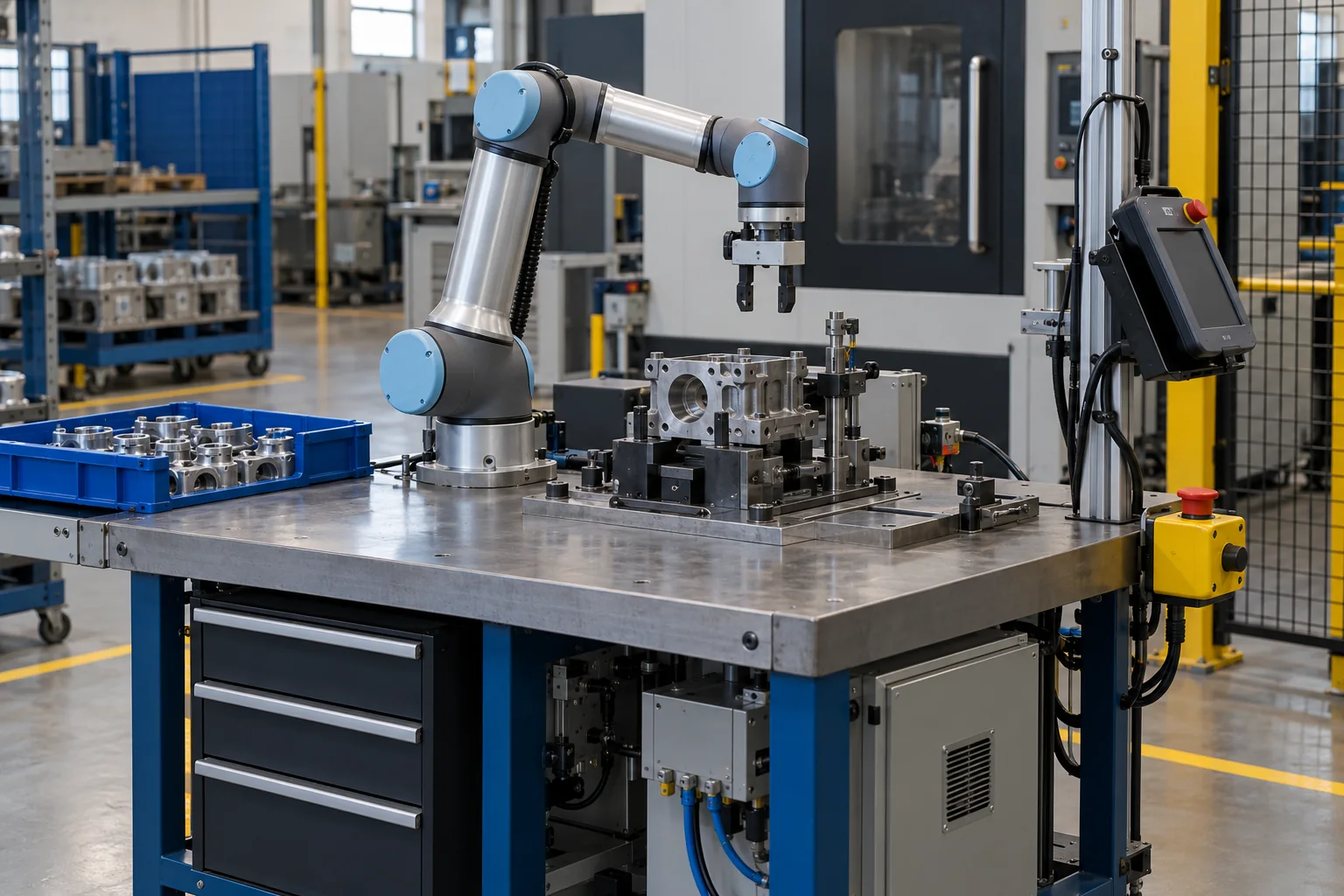
Explore the context needed around cobot applications, including tools, workpieces, human tasks, changes and the boundary between visibility and protection.
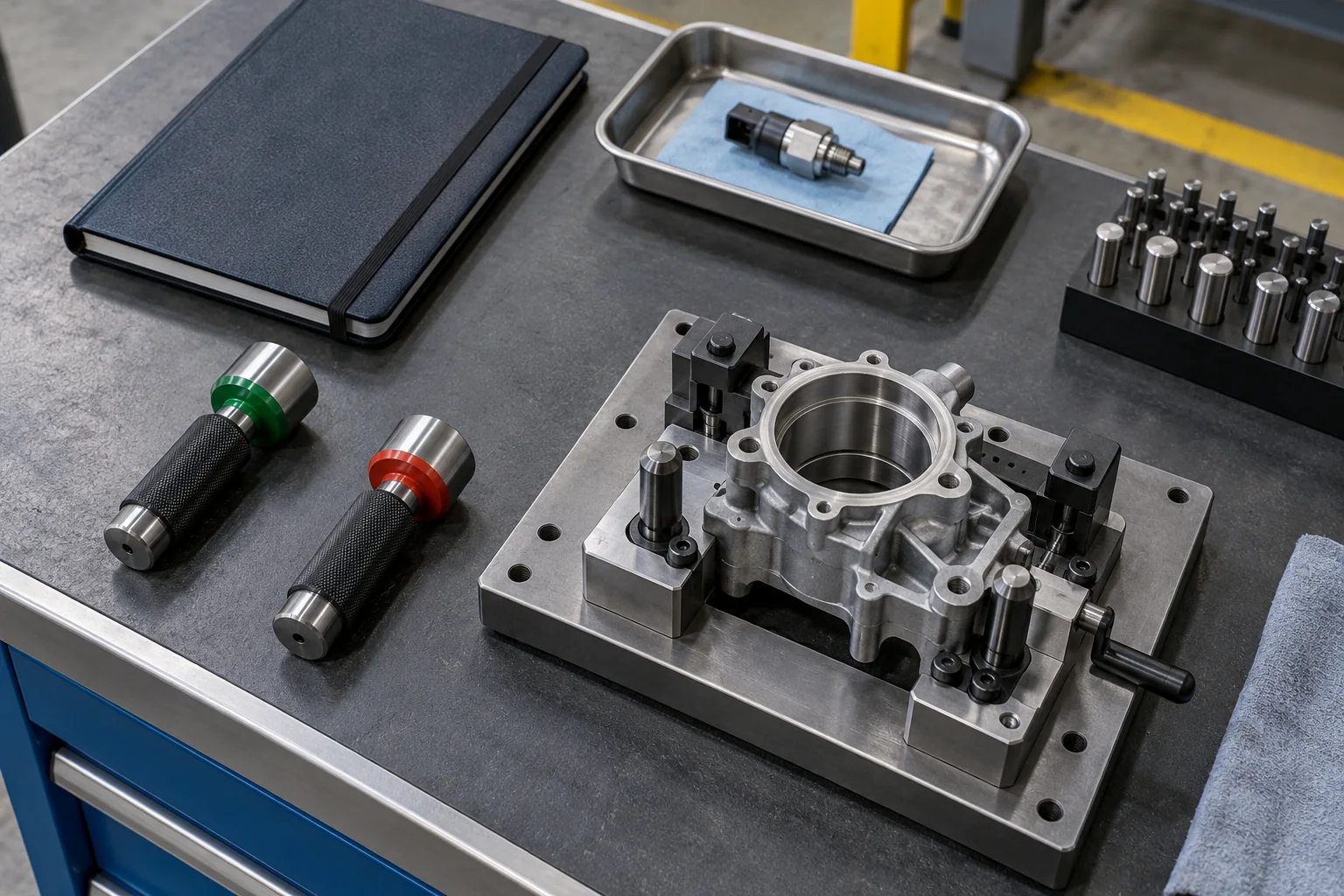
Explore poka-yoke verification, unavailable checks and authorised exception history, with clear ownership and evidence of restoration.
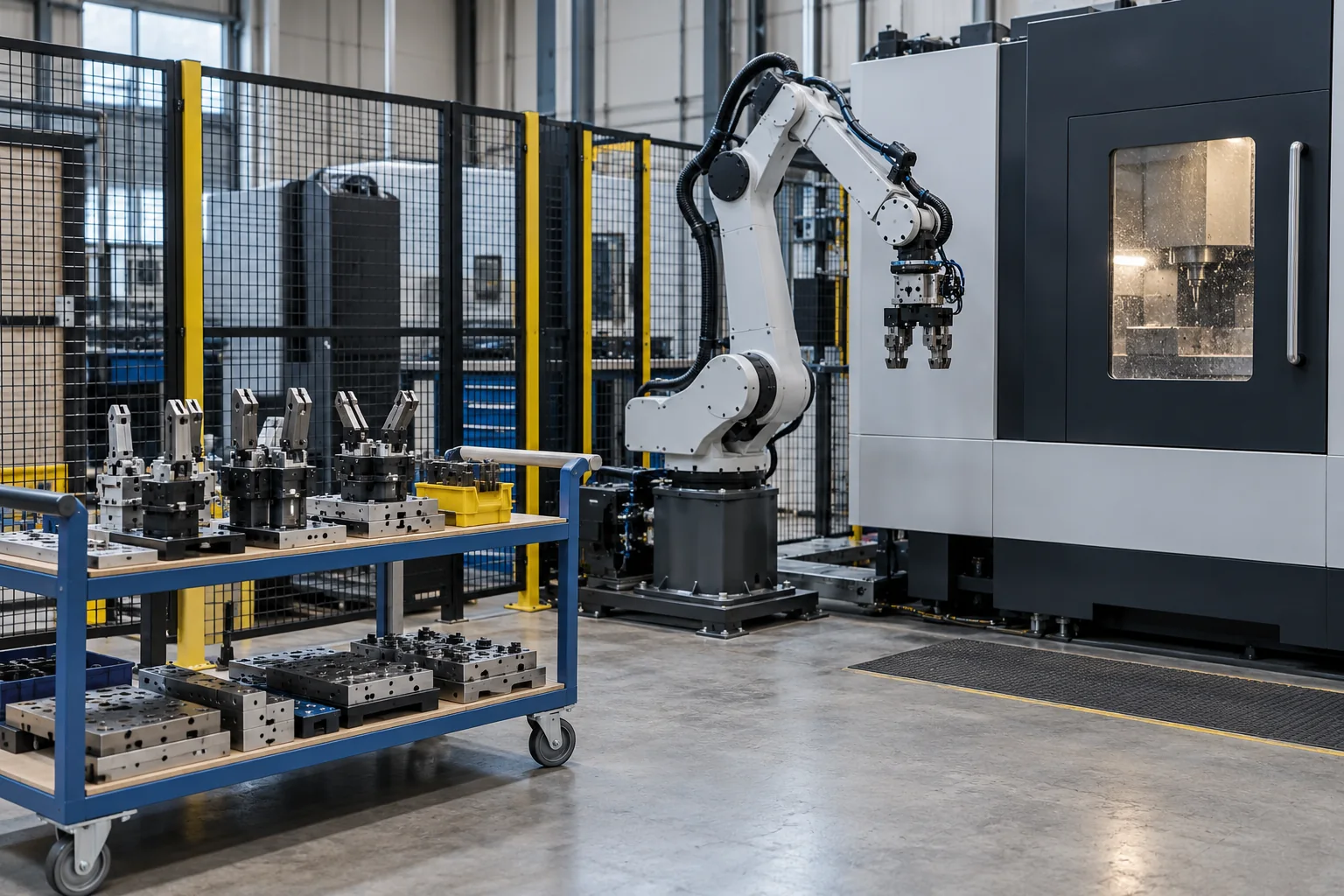
Explore robot integration, record ownership, equipment changes and handover so operational information remains understandable beyond commissioning.
Defence
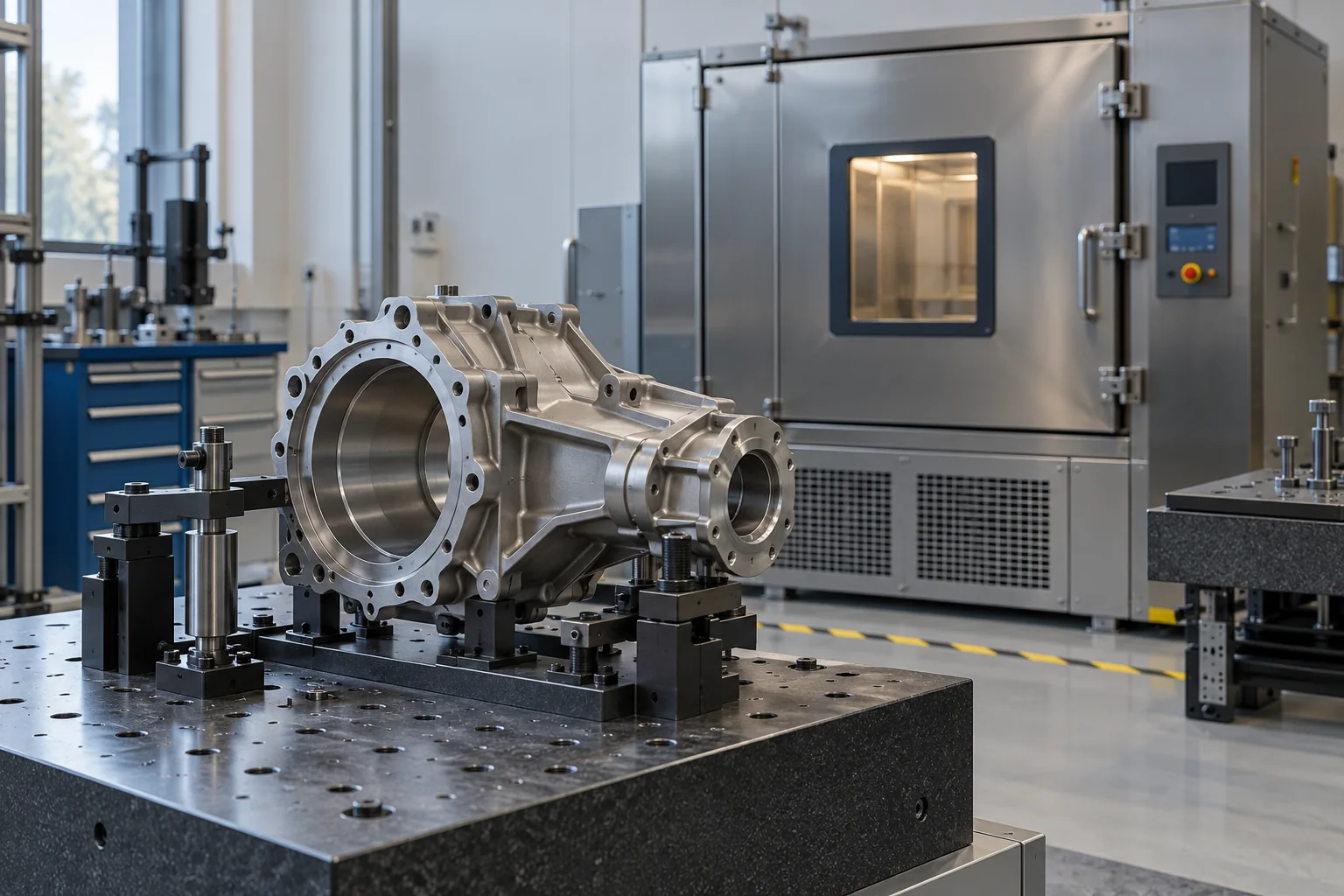
A guide to manufacturing and test information in defence-related industry: item identity, revisions, process context and the distinction between results and acceptance.
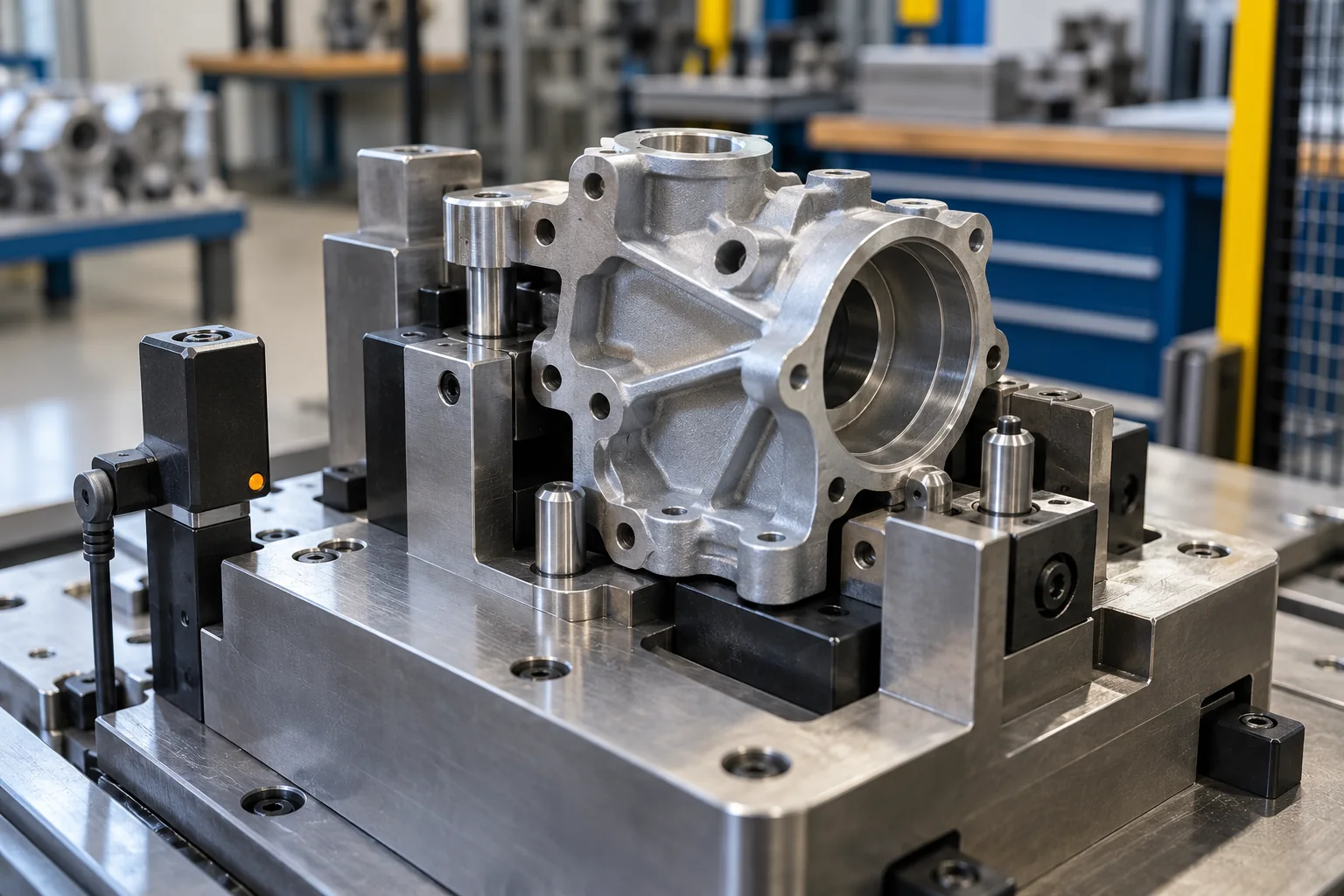
Explore poka-yoke through error prevention, clear detection, verification history and responsible handling of exceptions across industrial operations.
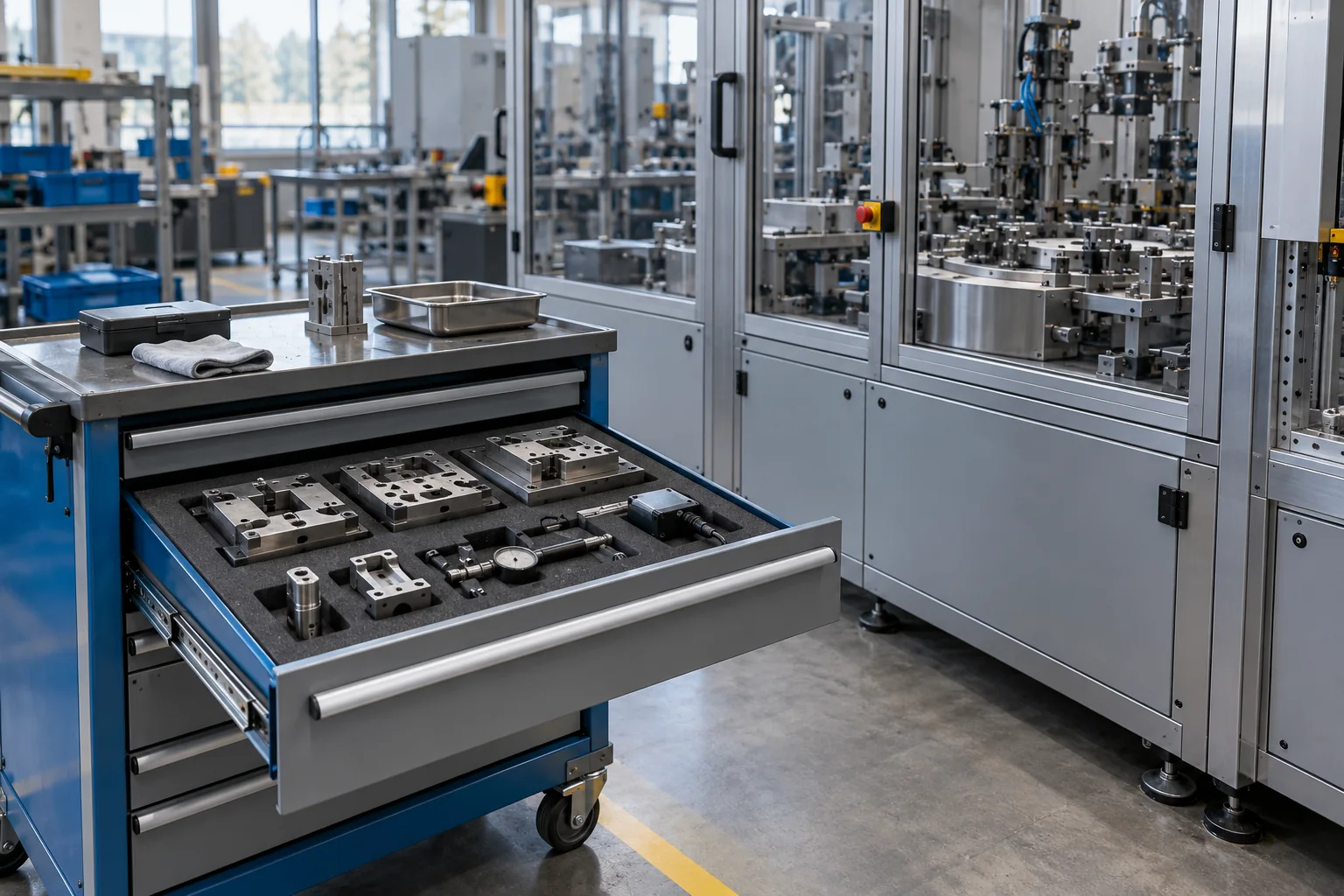
Connect special-purpose-machine tooling, service work, production periods and quality findings so maintenance and quality teams can review the same context.
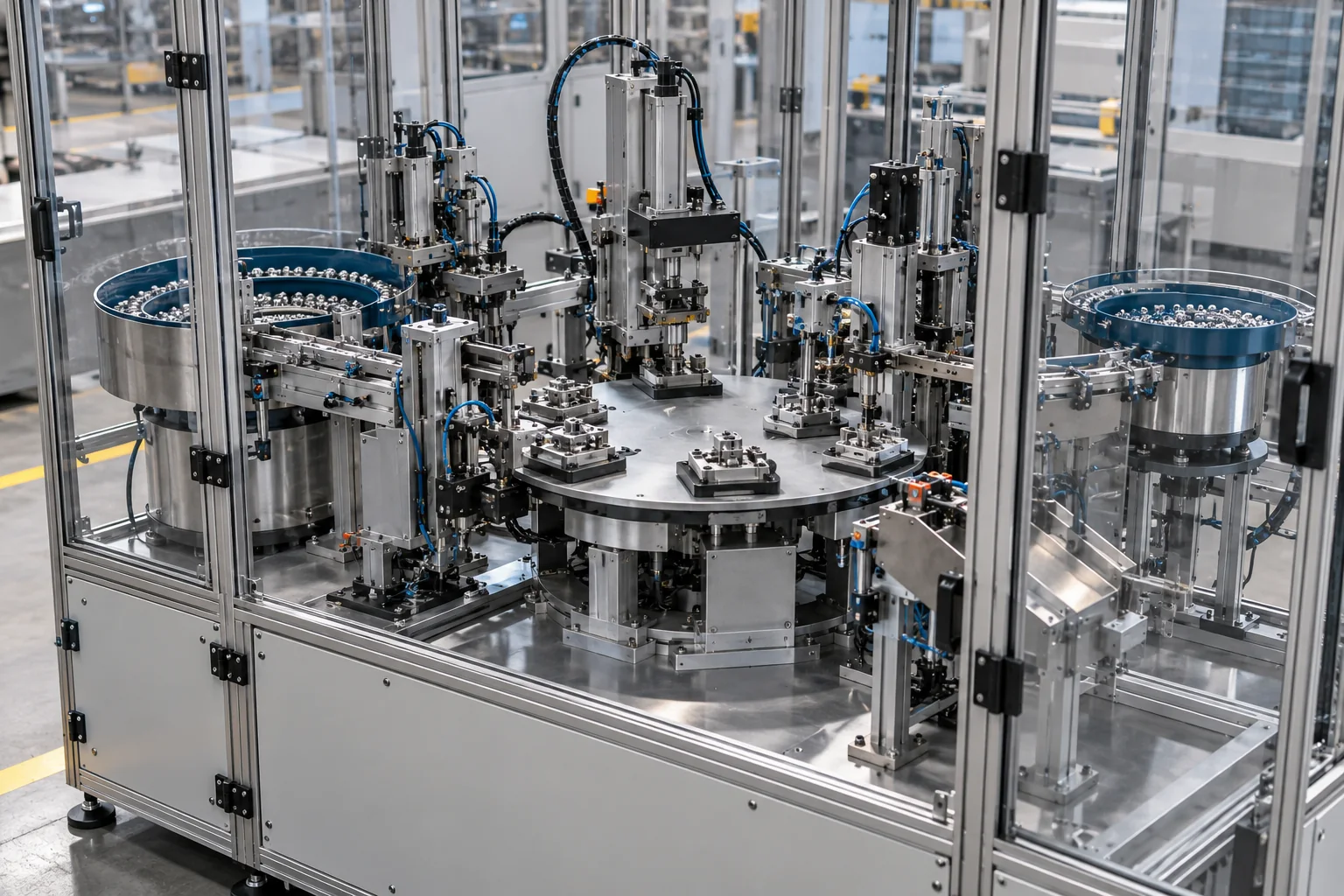
Explore OT visibility for special-purpose machines: cycle sequences, waiting, retries, tooling condition, quality records and a clearer handover.
Food & Beverage
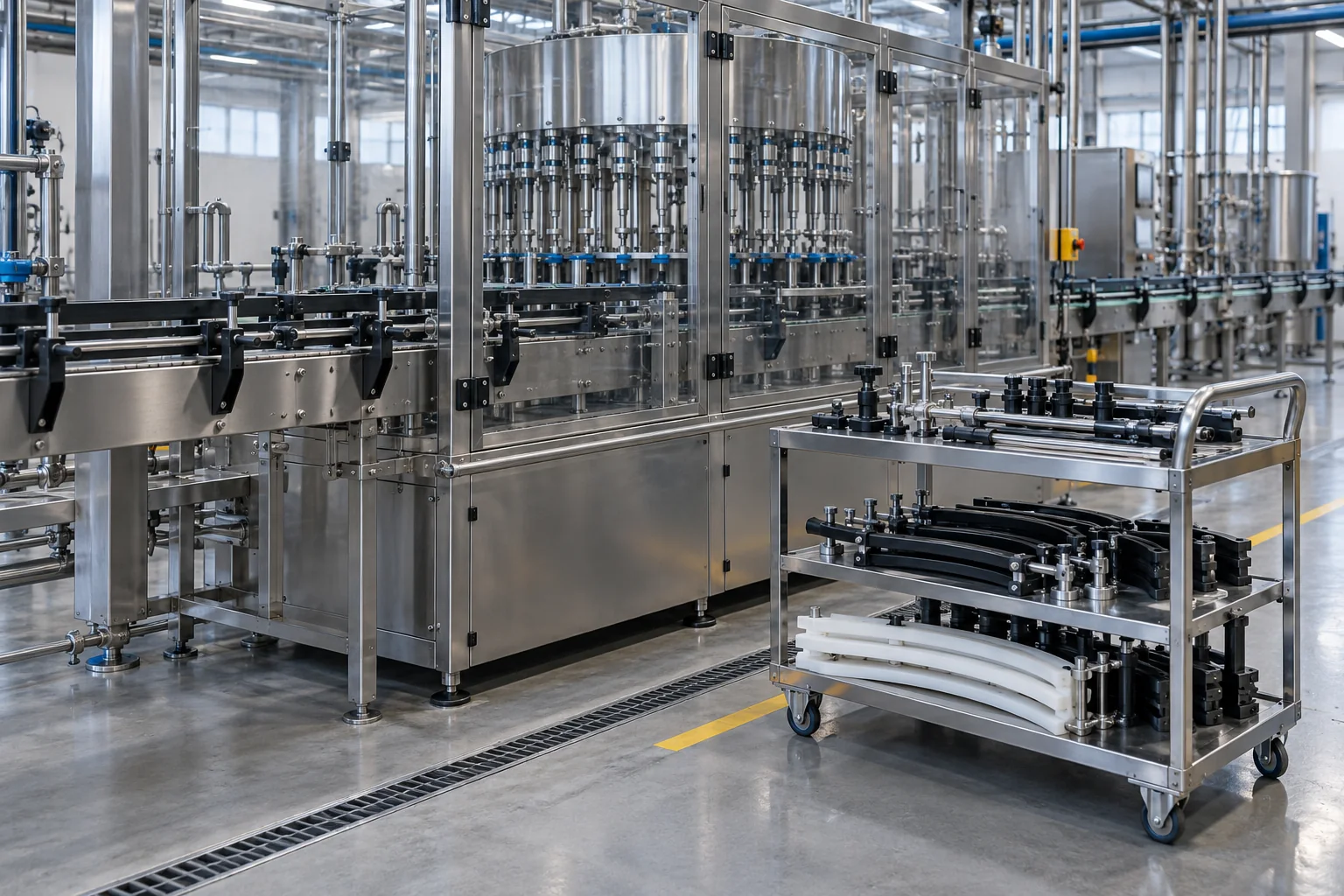
A practical guide to food production and changeover records: define the work, understand waiting periods and compare transitions in their proper product context.
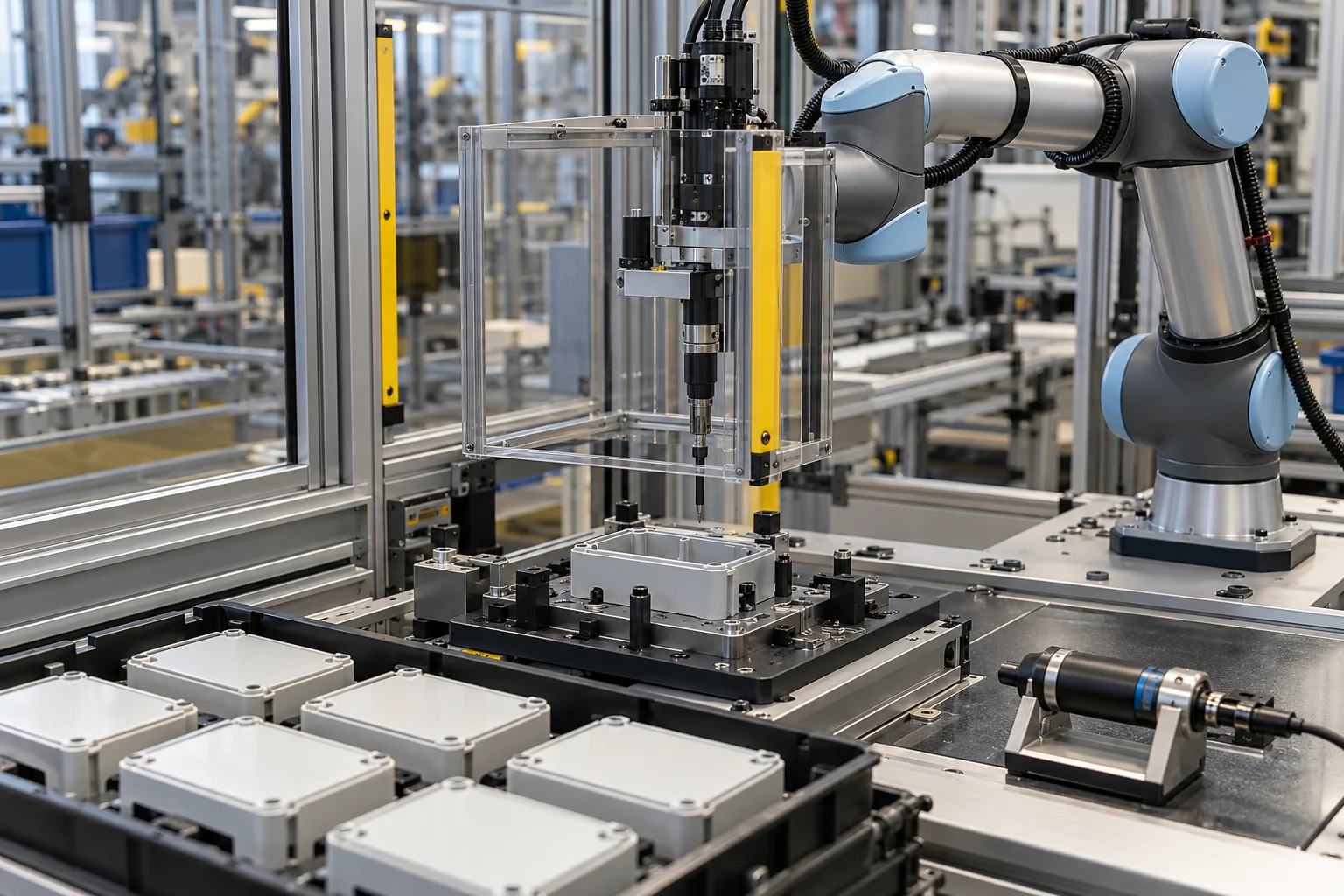
Explore cobot task performance through useful outcomes, tool context, human handoffs, repeated attempts and quality evidence for the complete operation.
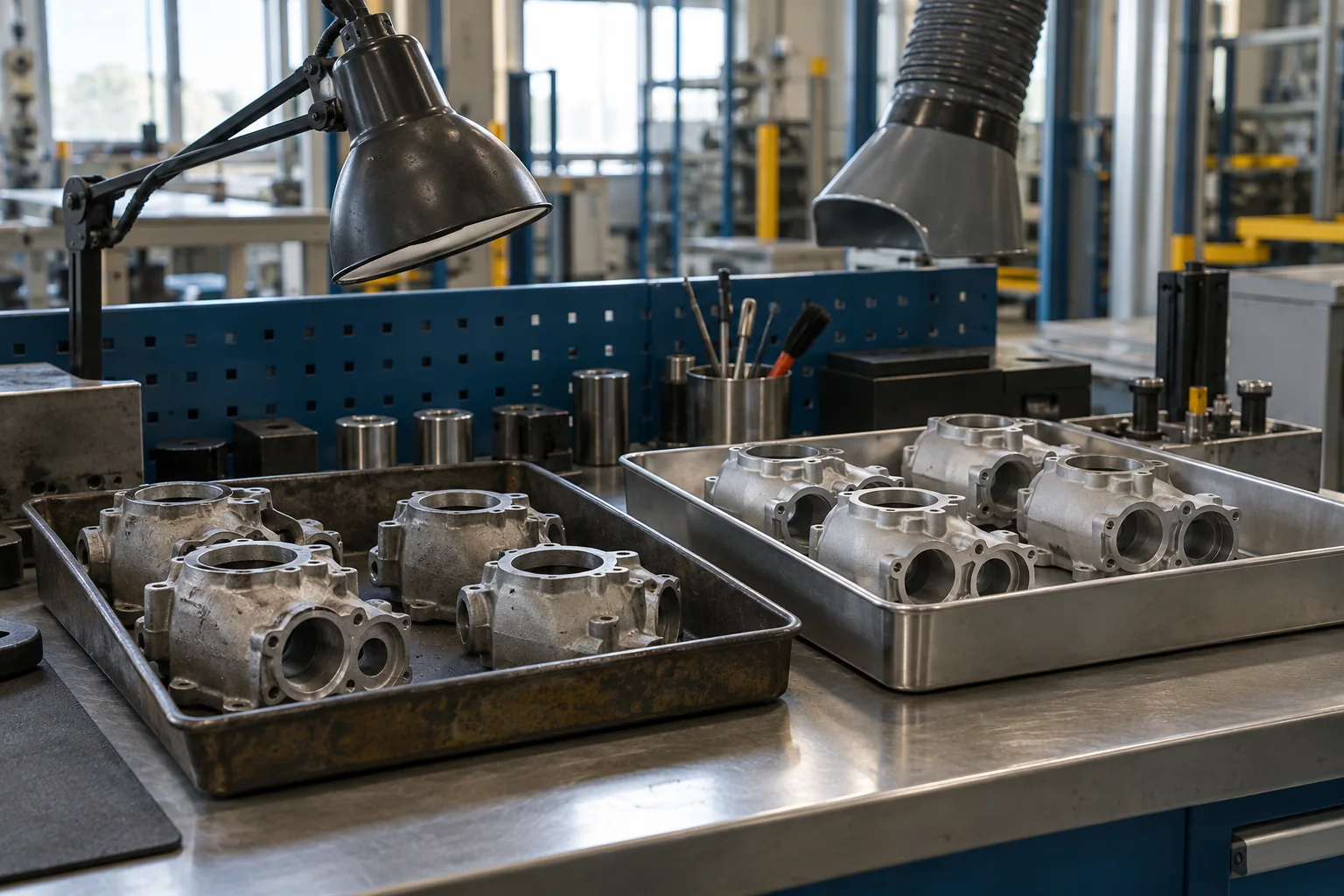
Explore rework, repeat inspection, idle energy and coordination effort with traceable operating records and careful treatment of overlapping costs.
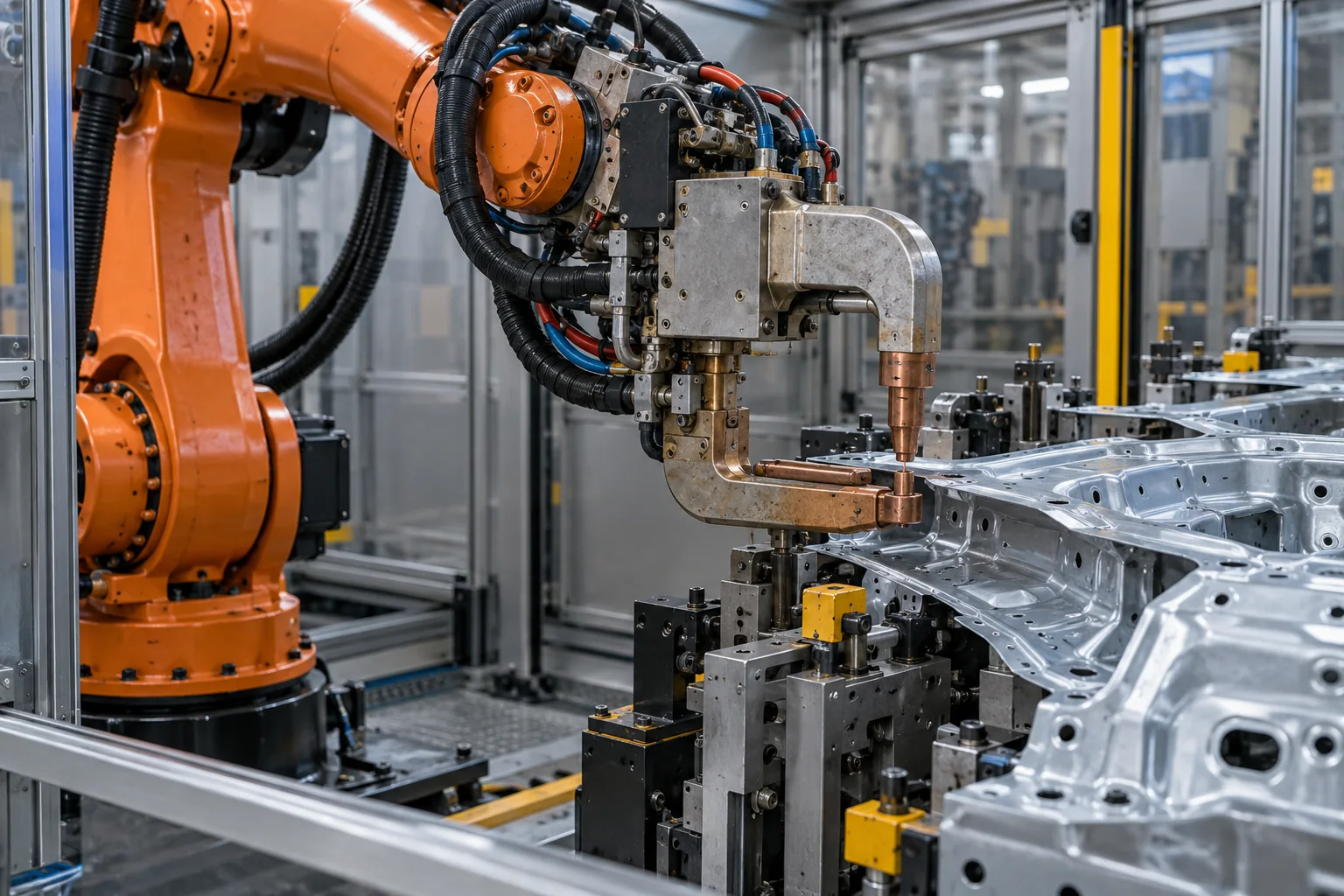
Explore resistance spot welding with part and weld identity, electrode history, repeated attempts, process records and the evidence behind quality decisions.
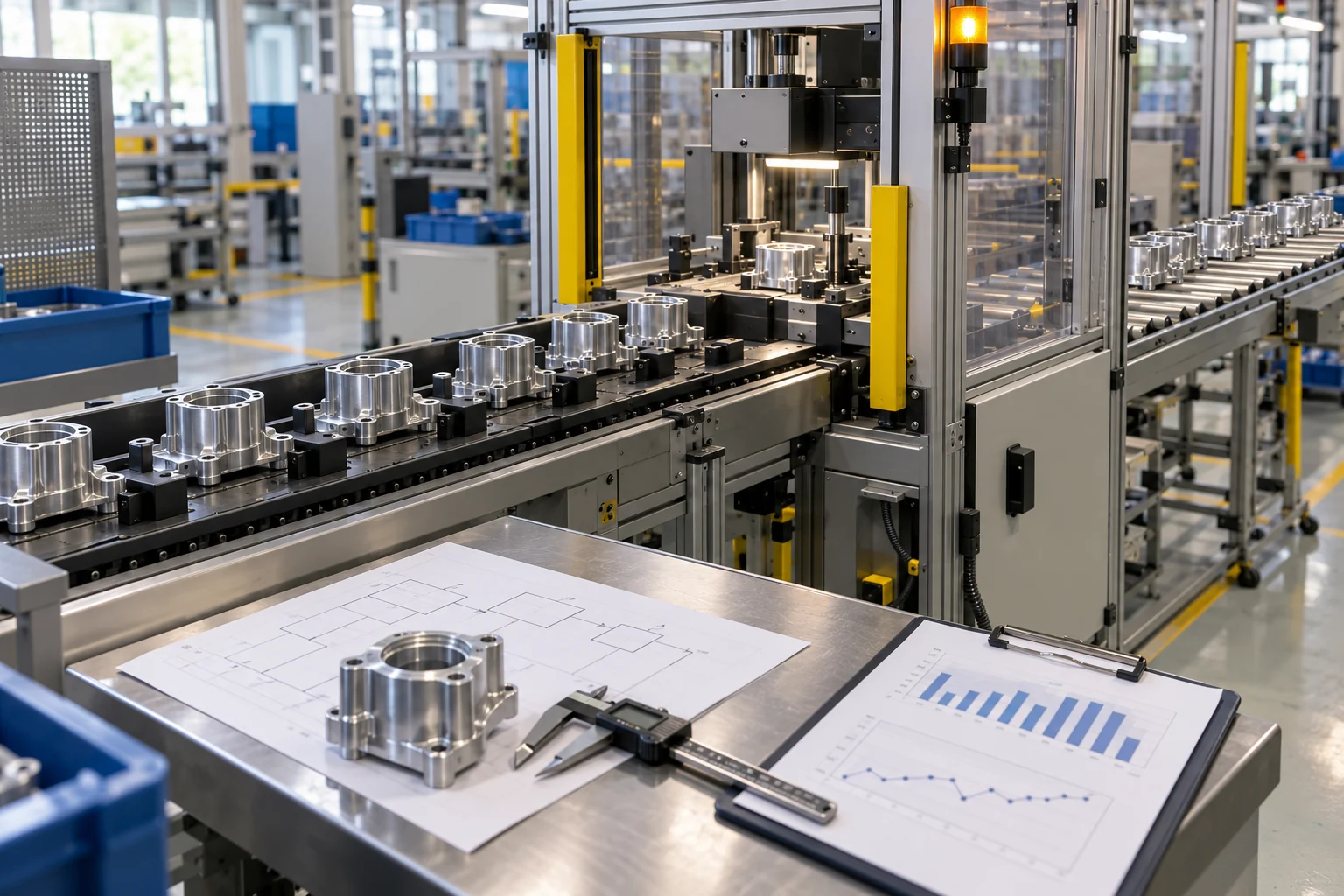
Build a credible improvement review with a defined baseline, named responsibility, comparable evidence and follow-up that distinguishes results from estimates.
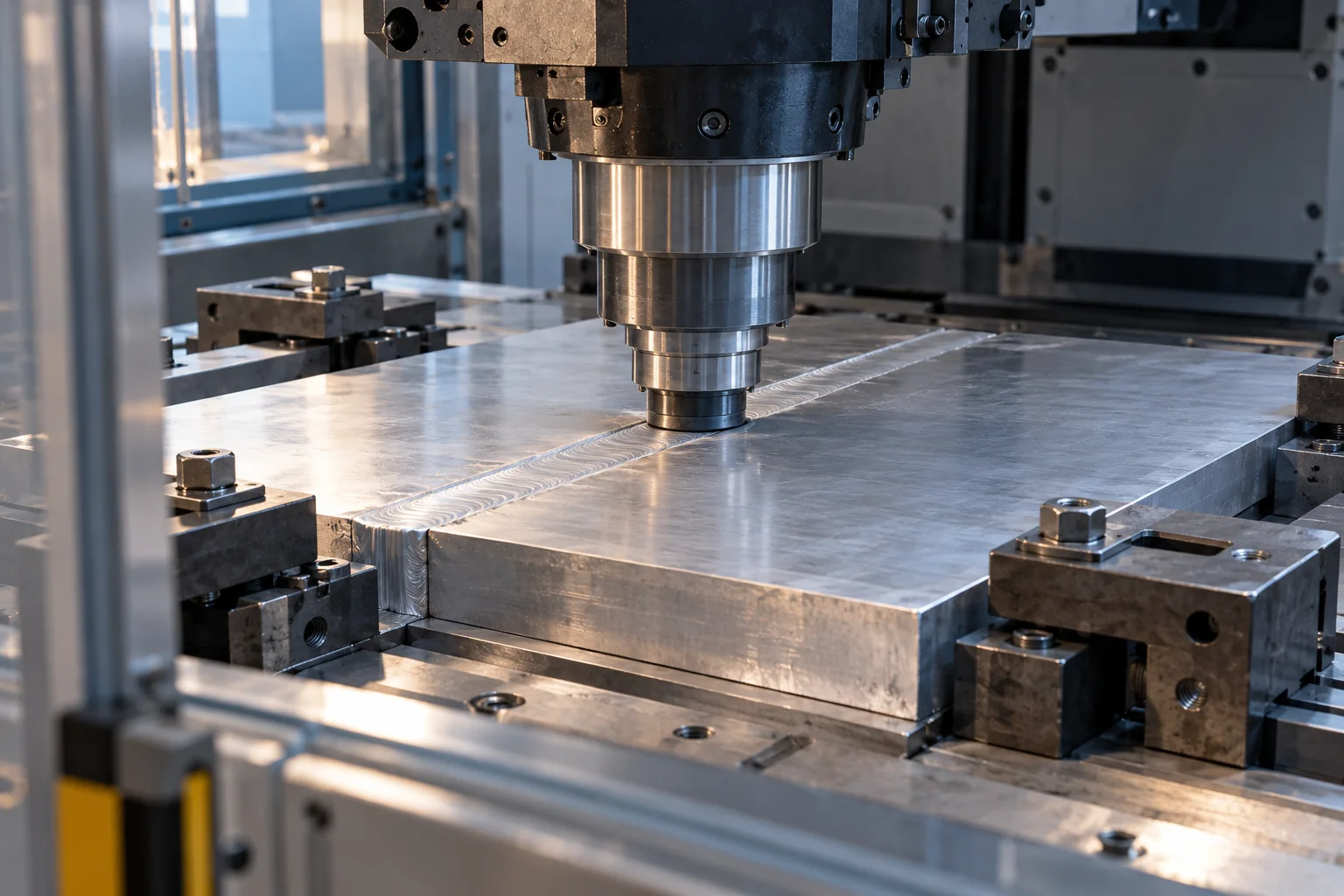
Explore friction stir welding with tool and fixture identity, operating context, robotic-system considerations, joint traceability and quality review.
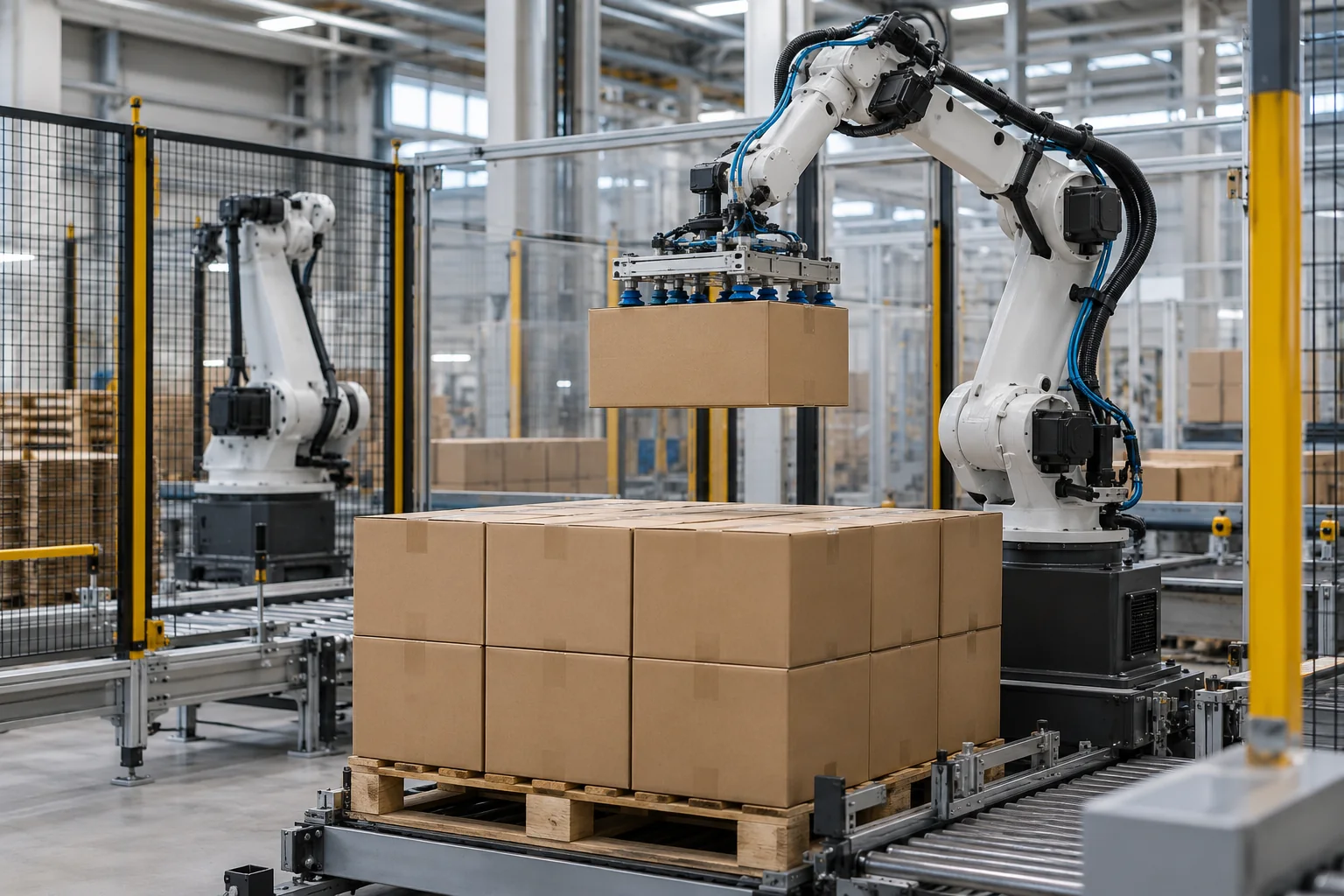
Explore industrial robots through cell performance, end-effectors, process context, maintenance history and the information needed across the equipment lifecycle.
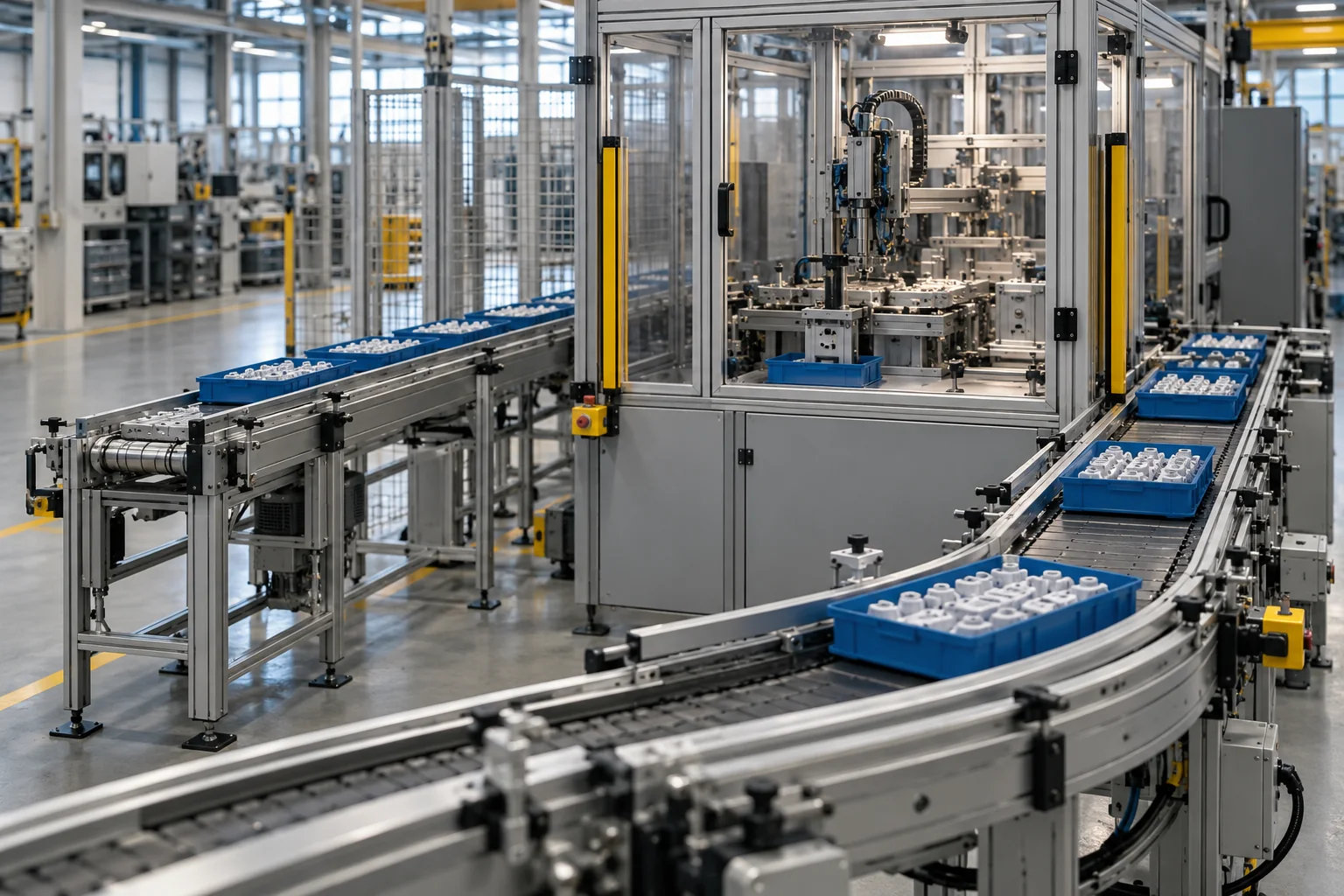
Manufacturing
Use production monitoring and manufacturing analytics to connect shift totals with jobs, machine states, interruptions and the evidence behind an explanation.

Shipping & Ports
Explore cargo-handling equipment records, waiting periods and cross-team context to give port and terminal interruptions a clearer explanation.
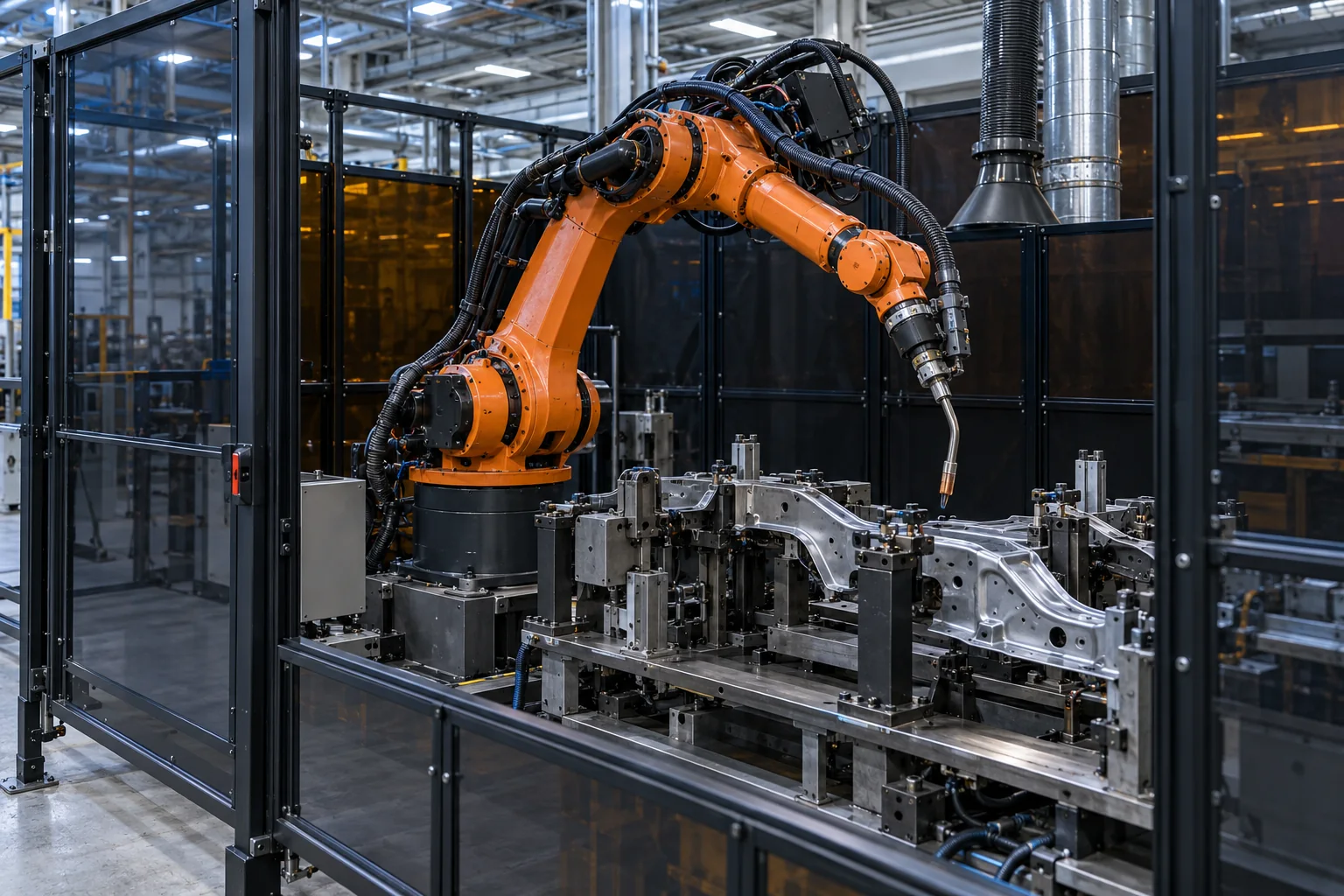
Explore robotic welding through process identity, weld traceability, equipment condition and quality context, from arc and resistance welding to laser and friction stir.
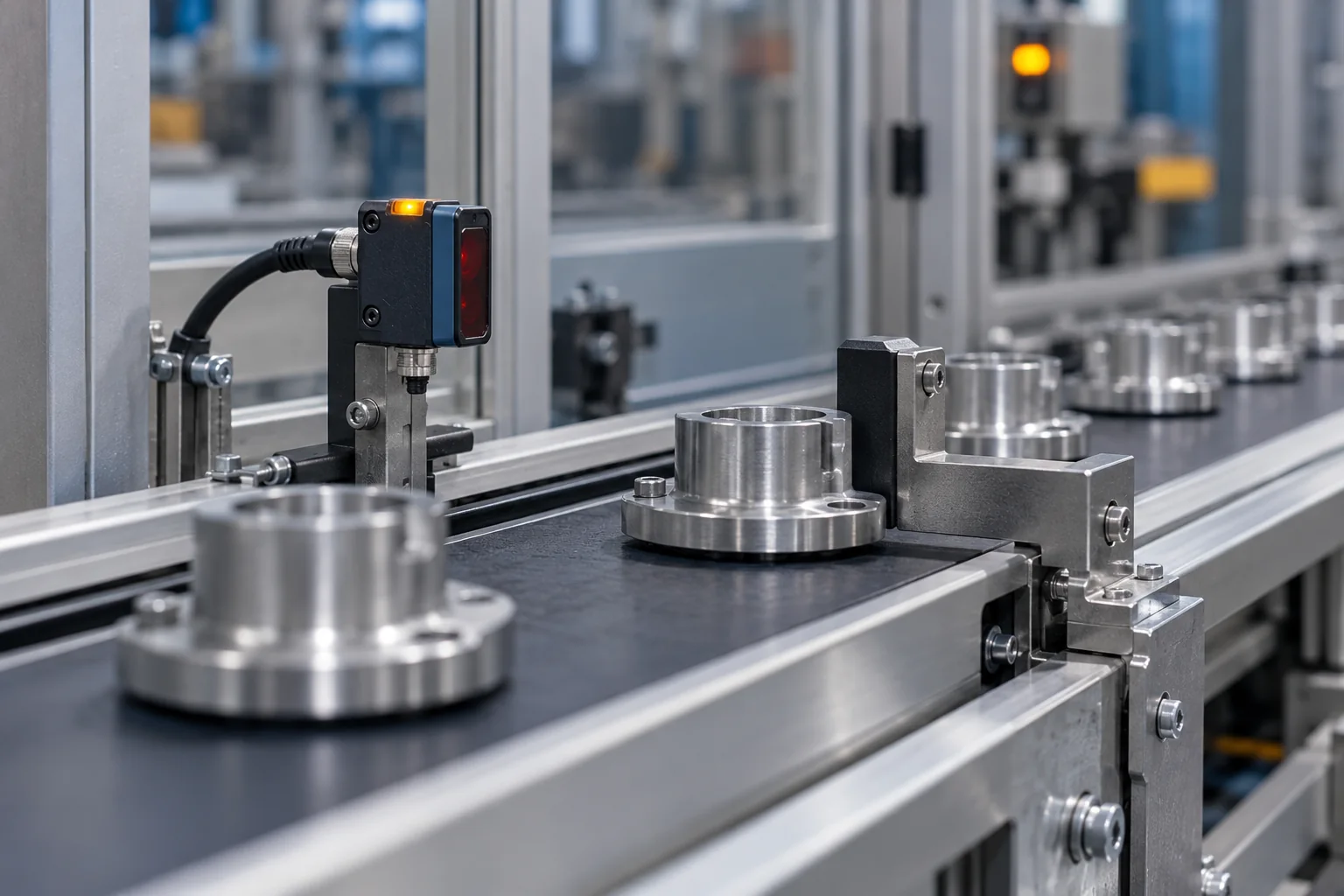
Understand micro-stops and reduced-speed production through cycle timing, equipment states, product context and a clear boundary for counting losses.
Use OT data to frame factory monitoring software around production flow, interruptions and the decisions a shift needs to make.

Use industrial analytics and shared operating context to connect production, quality and equipment decisions across teams.
Try a broader question or reset the filters to explore this collection.
A conversation starts here
Tell us about the operating area, the people involved and what a clearer view would help them understand.
Start a conversationPARTNER WITH PURPOSE
We bring OT expertise and an industrial data focus to collaborations with integrators, consultants, OEMs and enterprises.


Start a conversation about your OT, industrial data or IoT requirements.