


Robotic welding · A closer look
Connect laser-welding signals with the joint they describe.
Explore robotic laser welding through joint identity, equipment context, process-monitoring limits and the evidence needed for quality review.
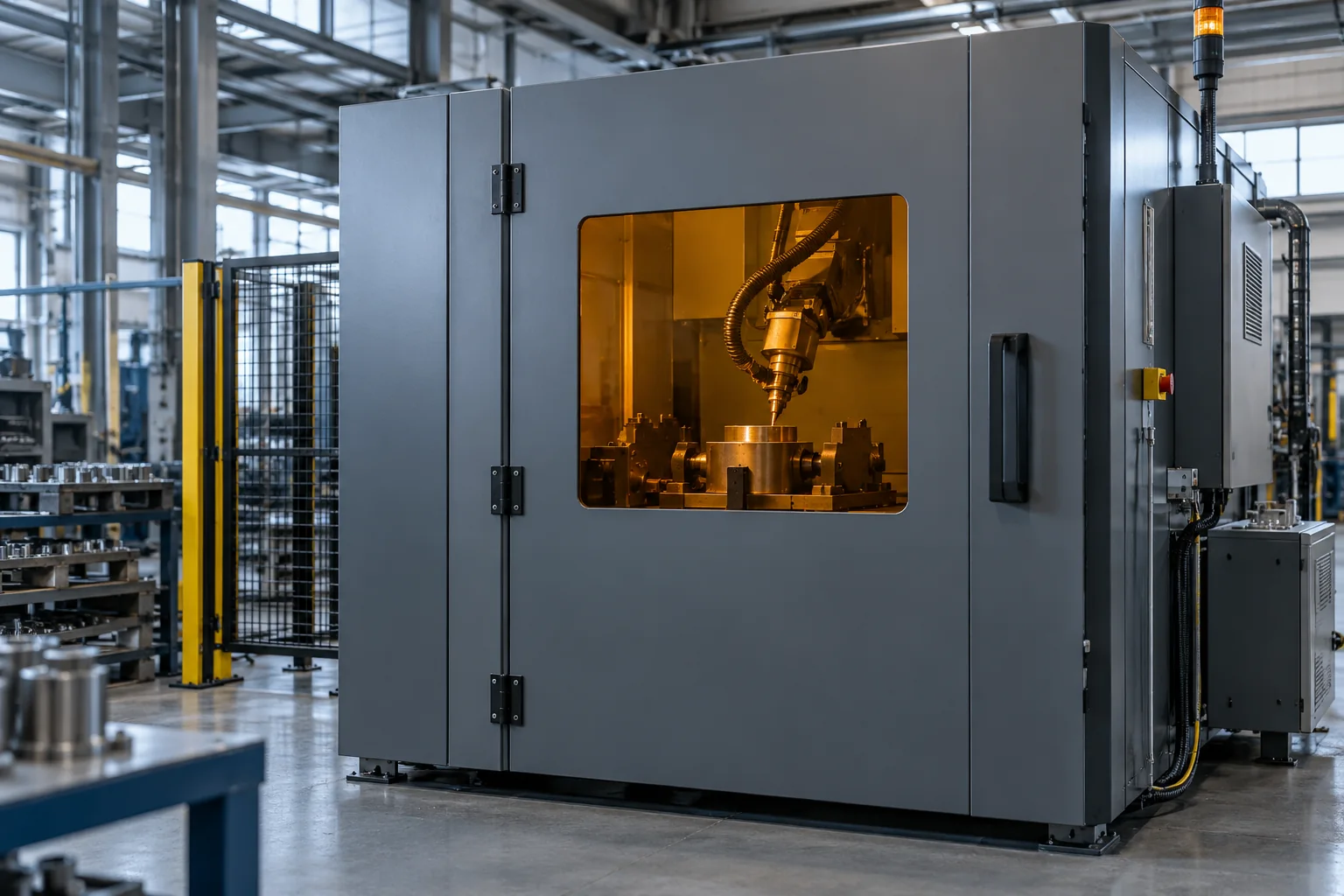
The practical question
What makes laser-welding monitoring useful to production and quality?
It needs a reliable connection to the part, joint, programme and relevant equipment history, with the meaning and limits of each observation explained. Process-monitoring output should support a defined review and remain distinguishable from the examination or acceptance record for the joint.
Laser-welding operations may provide rich process signals, but a rich signal is useful only when the reviewer knows its relationship to the joint and the inspection. A connected operating record gives those observations a place in the wider production story.
Identify the actual laser-welding process
Laser welding uses a concentrated beam to supply the joining heat. TWI describes conduction and keyhole welding behaviour, as well as laser processes combined with arc welding. Record the installed process and its approved setup rather than assuming every laser-welding application produces or interprets the same observations.
Sources: [1]
Understand what a monitor actually measures
TWI describes in-process laser-welding systems that examine signals from the interaction between the laser and material to infer aspects of weld quality. The inference and its validated scope matter: the instrument’s observation is not automatically an inspection result covering every possible imperfection.
Sources: [2]
Make the joint history easy to retrieve
For a selected joint, the reviewer should be able to locate the part reference, relevant programme, recorded operation period and available process observations. Preserve the equipment and monitoring configuration that gives those observations meaning. If the record is missing, delayed or outside its intended range, show the limitation where the result is presented.
Ask whether the trace refers to an individual seam, an entire programme or a larger production period. Keep repeated attempts distinct. A signal from one attempt should not be attached to an inspection of a different attempt because the records share a part number.
An illustrative situation
When monitoring and inspection disagree
Hypothetical example: an inspection raises a concern while the available monitoring result appears unremarkable. The team first confirms that both records refer to the same joint and attempt. It then examines what the monitor was designed to observe and what the inspection actually assessed.
The disagreement can become an informative question instead of a contest between systems. It may expose an identity mismatch, incomplete coverage or a limitation in interpretation. The responsible specialists decide which further examination is needed. Both the original observation and the later finding remain visible in the review record.
Judge the information outcome before expanding
Select an existing quality or production review and agree what a better operating picture would change. For example, the team may need to retrieve the relevant seam history without searching several interfaces, or to distinguish a missing trace from a recorded normal result. Measure that starting effort honestly.
Keep equipment operation, safety decisions and process qualification within their established responsibilities. A conversation with VIEOX can begin with the information surrounding the cell: the questions the team must answer, the records it can already access and the gaps that prevent a confident, explainable review.
Put the question to work
A practical checklist
- State the laser or hybrid joining process and the installed monitoring scope.
- Link each observation to the correct part, seam and attempt.
- Preserve programme and relevant equipment or monitoring revisions.
- Keep monitoring interpretations separate from inspection and acceptance.
- Review disagreements and missing records with the responsible specialists.
Questions, answered
Can a normal monitoring result close every weld-quality question?
Use the result within the scope established for that monitoring method and application. If an inspection or other evidence raises a separate question, preserve it for review. A normal display should not erase the boundaries of what was actually observed.
Do we need to replace our existing monitoring equipment?
Begin by understanding its available records, definitions and access arrangements. A clearer connection between existing observations and the production or inspection history may be the first useful improvement. Any equipment change should follow a defined need and the appropriate engineering review.