


Poka-yoke · The complete perspective
Make error-proofing understandable, testable and trusted.
Explore poka-yoke through error prevention, clear detection, verification history and responsible handling of exceptions across industrial operations.
The practical question
What can operational information add to poka-yoke?
It can preserve the context of an error-proofing check: the task, requirement, device or method, relevant result and response. A clear history helps teams examine recurring exceptions, follow verification and identify where the work itself should improve, without turning a detection count into a judgement about an individual.
Poka-yoke begins with a human question: how can the work make an error less likely or make it visible at the right moment? OT information can help teams understand whether the intended check was available, what happened when it responded and what needs improvement. The purpose is to support people doing the work.
Start with the error the work should prevent
ASQ describes mistake-proofing, or poka-yoke, as methods that prevent an error or make it apparent when it occurs. Prevention and detection are distinct possibilities. Define the particular error and intended response before choosing what to measure or display.
Sources: [1]
Describe the task from the person’s point of view
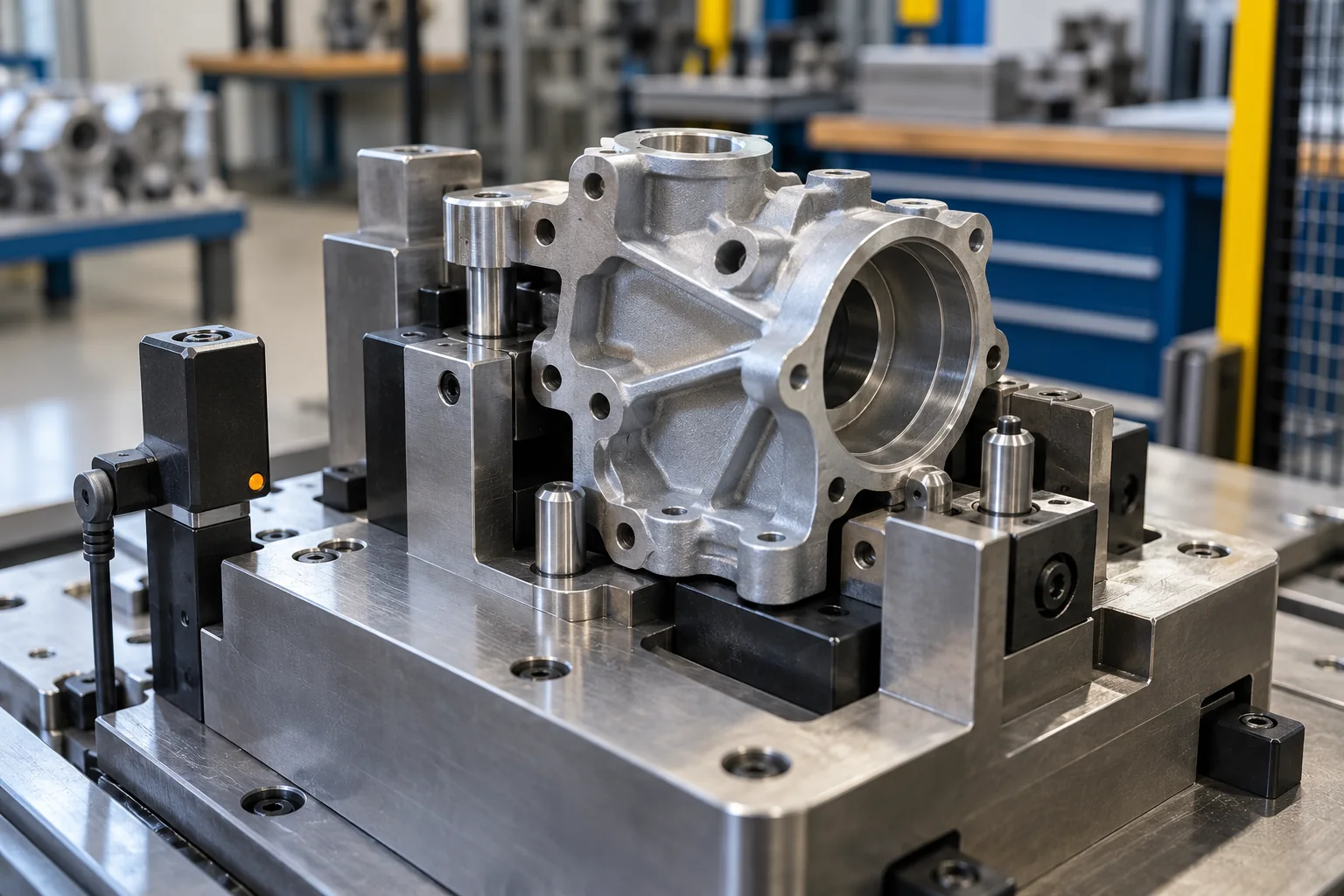
Walk through the operation with the people who perform it. What information do they need, what choices can be confused and where does the process rely on remembering something under pressure? A fixture, a component-presentation arrangement or a well-designed check may each address a different problem.
A useful record should name the task and requirement in language the operator recognises. If the interface reports a failed check, explain what was observed and where the authorised next step can be found. An unexplained red indicator can add friction while leaving the underlying question unresolved.
Respect the difference between quality checks and safeguards
HSE describes guards and interlocking arrangements as machinery-safety measures. A quality error-proofing check should not be assumed to fulfil that safety role simply because it also prevents a cycle from progressing. The function, design and assurance of safety measures require their own competent assessment.
Sources: [2]
Follow the check through the work
For one important check, ask what its result means. Does it confirm a component is present, that a recorded sequence occurred or that a characteristic was measured? Keep the result at that level. A presence signal should not acquire the meaning of correct orientation, correct component and acceptable quality unless those claims are supported.
Connect the result to the relevant part or operation and preserve repeated attempts. Keep missing information distinguishable from a passing result. If an authorised exception exists, record the scope, responsible decision and applicable temporary arrangements without offering an operating shortcut through the website or dashboard.
An illustrative situation
Learn from a recurring exception
Hypothetical example: a component check reports repeated exceptions during one task. The review brings together the operator’s account, the component presentation, the device’s verification history and the related production period. It asks whether the check is exposing the intended error, an unclear task or a measurement problem.
The team looks for a better work arrangement rather than immediately judging the person responding to the alarm. It records what was learned and which competent owner will assess any change. The history becomes useful when it leads to a supported improvement and a clear follow-up.
Make the improvement visible
Agree how the team will recognise useful progress: fewer ambiguous interventions, a more understandable response, a clearer verification record or less effort establishing what happened. Keep the definition consistent so a quieter alarm count cannot masquerade as improvement when the check was unavailable.
VIEOX can begin with one important error-proofing question and the people who already manage it. Together we can examine the information that supports the work, the gaps in the history and the practical evidence needed to judge whether a clearer operating picture helps.
Put the question to work
A practical checklist
- Name the specific error and the intended prevention or detection function.
- Explain each result at the level the check actually supports.
- Keep quality error-proofing and machinery-safety responsibilities distinct.
- Preserve relevant verification, repeated attempts and authorised exceptions.
- Review the work with its operators and measure useful improvement.
Questions, answered
Does poka-yoke always mean adding another sensor?
Begin with the error and the work arrangement. The most useful approach may involve how a part fits, how the task is presented or how the sequence is confirmed. A sensor is one possible element; information should support a well-defined method rather than substitute for it.
Should detection counts be used to rank operators?
Start by understanding exposure, task differences, check availability and what each count represents. A record may describe how the process supports the person, not an individual’s care or ability. Use the review to improve the work and preserve the context of any comparison.