


Manufacturing · A VIEOX perspective
Make an equipment change easier to understand.
Explore equipment condition in manufacturing: comparable operating periods, inspection context and the evidence behind a useful maintenance discussion.
The practical question
What context helps a maintenance team assess a changed machine reading?
The equipment and measurement point, operating mode, job or load, timing, recent work and a suitable comparison period. These details help the team decide what to verify next while keeping diagnosis and maintenance authority with the responsible people.
When someone says a machine sounds different or a reading has changed, the observation deserves a clear record. The maintenance question becomes stronger when the team can identify the equipment, the conditions and the previous work that make the change meaningful.
Name the observation precisely.
Begin with the observed change. A higher temperature at one measurement point is clearer than a statement that the machine is unhealthy. An operator's report of an unusual sound should retain who noticed it, where and during which part of the work. Neither needs a confident diagnosis to be useful.
Identify whether the record describes the whole machine, a component or a measurement location. If equipment names have changed, make sure the old and new records refer to the same physical item. This simple check can prevent a comparison from becoming misleading before the review has begun.
Choose a fair comparison.
Look for periods that match the operating question: a similar job, comparable load and the same stage of operation. A reading recorded just after startup may call for a different comparison from one taken during steady work. If suitable context is missing, say so and decide what additional observation is needed.
Compare the recording methods as well. Ask whether the sample interval, unit, measurement location or instrument changed. A differently configured record may still be useful, but the reason for the difference should be known before the team interprets the trace as equipment deterioration.
Separate observation, explanation and prediction.
NIST's manufacturing health-management work considers monitoring, diagnostic and prognostic capabilities separately and examines how they should be evaluated. A changed value alone does not establish which of those questions has been answered.
For a practical maintenance review, keep three statements separate: what the records show, what might explain it, and what further evidence would distinguish between those explanations. If someone offers a prediction about future condition, ask what supports it and where its uncertainty is recorded.
This gives the maintenance team room to use experience without turning a tentative interpretation into an automatic instruction. The immediate result may simply be a better inspection question, which can be a valuable improvement in its own right.
Sources: [1]
An illustrative situation
A warmer drive, with several possible explanations.
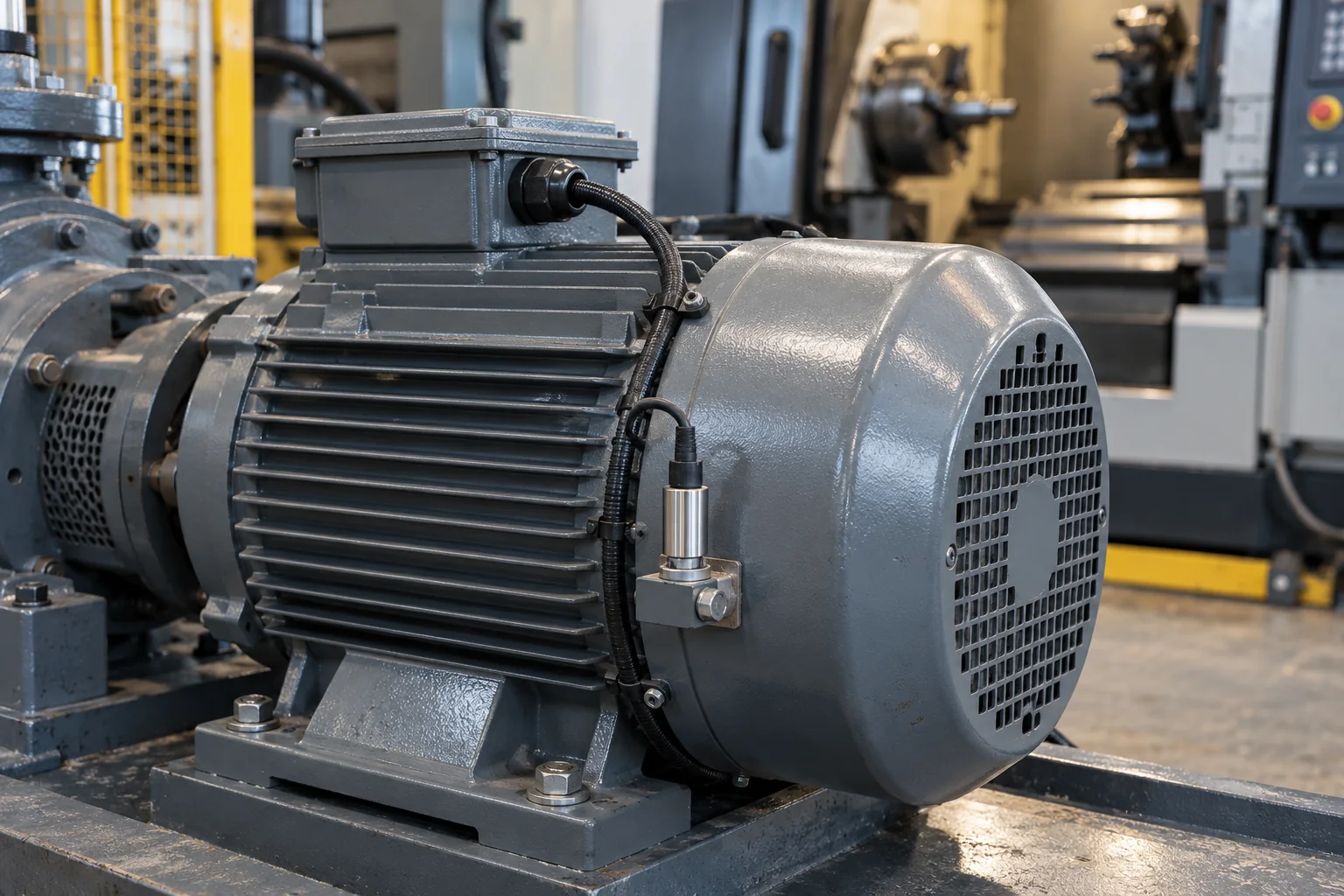
Hypothetical example: a drive motor on a machining cell is recorded as warmer during recent jobs. A production colleague notices that those jobs also use a different cycle pattern. Maintenance asks for the relevant operating periods and the history of recent work.
The review finds that the comparison period was recorded during another product run and that a measurement point was changed during service. Neither finding rules out an equipment issue. They show why the original comparison needs to be rebuilt before it can support a conclusion.
The team documents the unresolved concern and agrees an assessment using the site's approved maintenance process. A better information record has sharpened the question; it has not authorised continued operation or replaced the engineer's judgement.
Include the work already carried out.
Place relevant inspections, adjustments and replacements beside the operating history. Keep the actual findings and work descriptions available, together with their equipment references. A closed work order may establish that a task was completed; it does not automatically establish the explanation for a later condition.
NIST's manufacturing test-bed research includes curation and re-use of equipment data. For a maintenance conversation, a useful application of that principle is retaining the context that allows a later reviewer to understand the original record.
Use concise language that another shift can recognise. Explain whether an observation is recurring, newly recorded or still awaiting assessment. If the equipment was unavailable for part of the period, make that boundary clear so the absence of readings is not mistaken for a normal operating state.
Sources: [2]
Choose a useful first scope.
Start with one equipment family or one recurring concern. Ask the team which information it repeatedly has to find, reconcile or explain. Establish what a useful first view would enable: locating a comparable period, bringing inspection history into a review, or showing who owns the unresolved question.
Bring that example to VIEOX. We can explore the information need, the available context and the boundaries of a proposed assessment with you. A sound starting point respects the machine's operating requirements and the people responsible for its maintenance while making the evidence easier to use.
Put the question to work
A practical checklist
- Identify the physical equipment and exact measurement point.
- Describe the observation without assuming its cause.
- Choose comparable operating periods and note recording changes.
- Bring relevant inspection findings and recent work into the review.
- Agree which qualified person will assess the concern and what they need.
Questions, answered
Does a higher reading mean the machine is failing?
A higher reading is an observation. Its meaning depends on the equipment, measurement method and operating conditions. The responsible maintenance team should assess the concern using the site's approved methods and relevant evidence.
Can manual observations be useful beside automatic readings?
Yes. Keep their source, time and location clear, and distinguish what was observed from what was inferred. The combination can give a reviewer more context than either record provides on its own.