


Six Sigma quality control · A closer look
Carry the evidence through every stage of DMAIC.
Connect Define, Measure, Analyze, Improve and Control with production context, trustworthy measurements and a clear record of the improvement decision.
The practical question
What does operating context contribute to DMAIC?
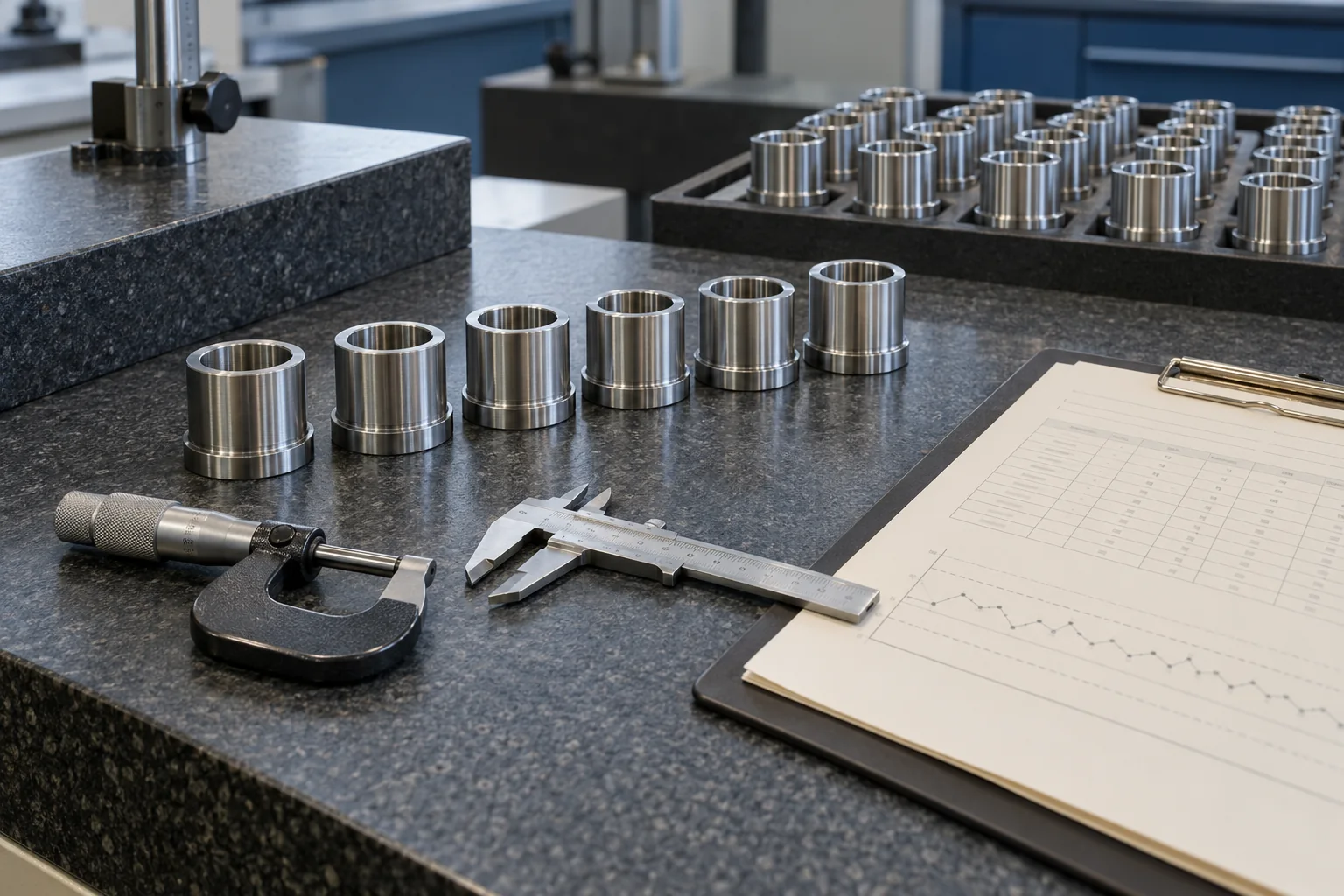
It helps the team define the affected work, prepare comparable measurements, test explanations and retain the evidence around an approved improvement. The same context supports the later review of whether the improvement continues to serve its intended purpose. Keep the problem owner and the statistical interpretation visible throughout.
A quality project can lose continuity when its problem statement, data preparation, investigation and ongoing review live in separate records. A useful operating picture helps the team carry the meaning of the work from one stage to the next, including the reasons for its decisions.
Use the five stages with a purpose
ASQ describes DMAIC as a structured approach for improving an existing process through Define, Measure, Analyze, Improve and Control. The stages connect a clearly framed problem with measurement, investigation, improvement and sustained review. Use the sequence to organise the work, not simply to rename a collection of dashboards.
Sources: [1]
Define and measure the right work
Define the affected operation and the outcome that matters. Explain the product or service requirement, the people involved and the boundaries of the project. Agree which part, batch, job or time period forms the unit of analysis so the team’s measures answer the same question.
NIST’s gauge R and R guidance treats the measurement arrangement as something to characterise in its own right. Before trusting the baseline, establish the relevant measurement evidence and retain it alongside the production context used in the project.
Sources: [2]
Analyze with alternative explanations in view
Keep the original observations and the transformation into the study dataset understandable. Explain exclusions, missing information and known changes in the operating conditions. A reviewer should be able to see why two periods were considered comparable and where that comparison remains uncertain.
Use the analysis to test a proposed explanation, not merely to make the most visible relationship look persuasive. Record what evidence supports the explanation and what would challenge it. Bring process knowledge from production, maintenance and quality into the discussion before deciding which improvement deserves evaluation.
An illustrative situation
Improve with an inspectable record
Hypothetical example: a team proposes a change to address a recurring assembly concern. It preserves the starting requirement, selected baseline, evidence behind the explanation and the approved evaluation plan. The later result is reviewed against comparable work, with any other changes kept visible.
If the evidence does not support the expected improvement, the team records that outcome. The project still produces useful knowledge: which explanation was tested, what was learned and what the next review needs to establish. That is more valuable than presenting every change as a success.
Keep the learning with the ongoing review
The Control stage needs a measure and response that the people taking over can understand. Preserve the agreed method, relevant limits, responsibility and the reason for a review or escalation. Show when the process or measurement context changes enough to question an earlier comparison.
VIEOX can start with one improvement project where the evidence is difficult to carry across teams or shifts. A focused discussion can identify the records already available and the connections that would make the project easier to explain, repeat and review without replacing the practitioners responsible for the method.
Put the question to work
A practical checklist
- Define the affected operation, requirement and project boundaries.
- Keep baseline measurements connected to their measurement and production context.
- Preserve assumptions, exclusions and alternative explanations in the analysis.
- Record the approved evaluation and what the improvement evidence actually shows.
- Hand over the review method, response and ownership with the result.
Questions, answered
Does every factory question need a complete DMAIC project?
Choose an approach proportionate to the problem and the organisation’s improvement practice. Some questions may be resolved through an established routine; others need a structured investigation. The operating record should help define that choice without creating unnecessary project overhead.
What if an improvement does not produce the expected result?
Keep the outcome and the evaluation conditions visible. Review whether the explanation, implementation, measurement or comparison needs further work. A well-documented negative result can help the team avoid repeating an unsupported assumption and frame a better next question.