


Shipping & Ports · A VIEOX perspective
Give a machinery observation its operating context.
A practical guide to reviewing ship machinery readings, operating periods and maintenance history, with clear questions for engineering and shore teams.
The practical question
What should accompany a ship machinery reading in a maintenance review?
Include the identified machine and measurement point, observation time, relevant operating condition, source and any recent work that may matter. Compare it with an appropriate period and keep the engineering conclusion separate from the recorded value.
The interesting part of a machinery reading is often the question around it. Which operating condition produced it? What would make a comparison fair? A useful review keeps those questions close to the original observation.
Describe the observation before naming the cause
Maritime OT includes systems that monitor or control physical processes; IMO uses a main-engine oil-temperature reading sent to a control room as one example.
For a maintenance enquiry, identify the machine and the particular measurement. A temperature at a supply point is a different observation from one elsewhere in the circuit. Use the names and references understood on that vessel, and make any later shorthand traceable to them.
Write what was seen in neutral terms. An increase, fluctuation or repeated message is a starting observation. It becomes an explanation only after the responsible engineer has examined the relevant evidence. Preserve the original wording when a later interpretation is added.
Sources: [1]
Choose a useful operating comparison
The GreenVoyage2050 discussion of engine testing notes that tools, benchmarks and testing conditions can affect interpretation. Comparing values without their measurement circumstances can leave an engineer with an incomplete account.
Ask which conditions matter for this particular enquiry: the machinery duty, load, operating mode, relevant surrounding conditions and stage of the operation. The responsible engineer should define the comparison. A convenient earlier period may not be a suitable one.
Show the selected periods and why they were chosen. Keep values with uncertain timing or unclear origin visible as such. If the available record cannot support a fair comparison, the useful finding is that more information is needed.
Sources: [2]
Connect the observation with the work history
Establish whether there was relevant inspection, servicing, sensor work or an equipment change before the observation. Refer to the actual work record and its completion status. A task scheduled, a task performed and a return-to-service decision should not collapse into the same label.
A later temperature change may occur after a maintenance activity without having been caused by it. Put both into the sequence, then let the engineer examine the relationship. Include work that appeared to have no effect where it helps explain the enquiry.
When the shore team reviews a summary, it should be able to reach the supporting record and ask the onboard colleague a precise question. This makes the conversation more useful than an isolated screenshot.
Carry the question from the watch to shore
A compact enquiry can state the vessel and asset, what changed, the operating period, what has been checked and what help is requested. Identify the time reference and whether the data arrived after a delay. The receiving team can then distinguish an earlier observation from the current situation.
Carry unresolved items into the next watch with their latest status. Name the person or team expected to respond and the reference for the detailed discussion. Keep the local engineering record consistent with the information shared ashore.
A response can also close a question by explaining why the evidence does not support the proposed connection. That conclusion should be recorded as carefully as a confirmed finding.
An illustrative situation
An example: one pump, two operating periods
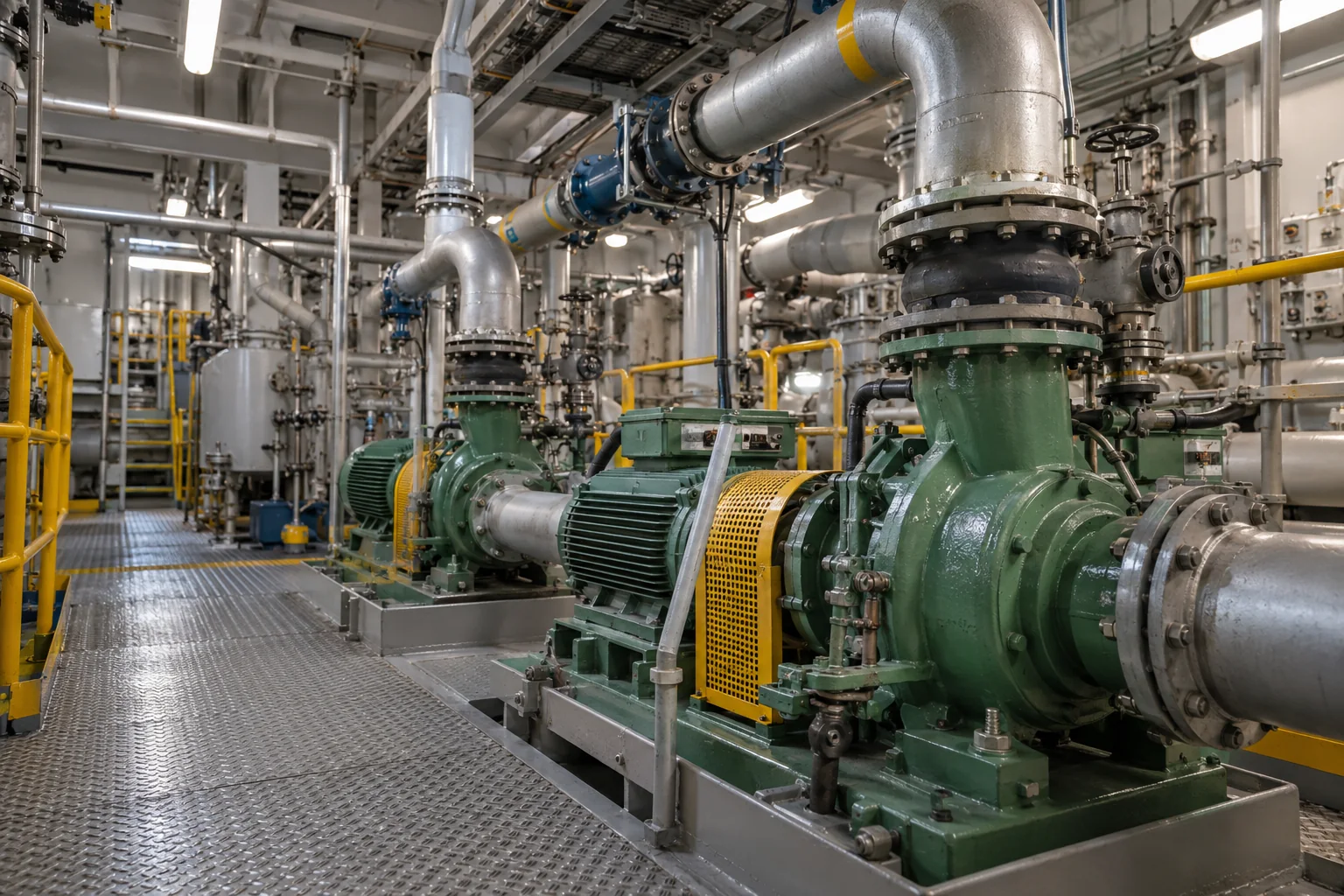
Hypothetical example: an engineer notices a higher recorded temperature on an auxiliary pump during a later operating period. A shore summary describes the pump as deteriorating, but the comparison periods have not been examined.
The team identifies the measurement point, compares the pump’s recorded duty and checks the relevant work history. It discovers that the earlier summary omitted a change in the operating arrangement. That does not prove the pump is healthy; it means the original comparison needs to be reconsidered.
The engineer records the unresolved condition question and specifies the evidence needed for the next review. The shore team receives the observation, context and current position together. Inspection and any operational response remain within the vessel’s established arrangements.
Define a useful first result
Select a recurring enquiry where your team spends time recovering the same missing context. Ask what would make the next engineering discussion clearer: reliable equipment identity, an understandable operating period, easier access to work history or an explicit record of uncertainty.
That is a practical conversation to bring to VIEOX. We can begin with the information need and the people who would use it, then explore the fit of ConverEDGE to an agreed scope. A useful first result is one your engineering team can explain and assess.
Put the question to work
A practical checklist
- Name the exact machine and measurement point.
- Describe the observation and its time reference.
- Let the responsible engineer define a comparable operating period.
- Connect relevant work records without assuming causation.
- State the open question and who will review it next.
Questions, answered
Does a changed reading establish a machinery fault?
It establishes an observation that may deserve attention. Interpretation depends on the equipment, measurement quality, operating conditions and supporting evidence. The responsible engineering team determines the appropriate investigation and response.
Can a shore team review records that arrive later?
It can review the recorded period when the timing and coverage are clear. The account should state when the observation was made and avoid presenting delayed information as the current onboard condition.