


Data Centers · A VIEOX perspective
Understand the relationships behind a thermal or power alarm.
Data center guide to cooling configuration, electrical support, load context and the evidence behind an infrastructure operating review.
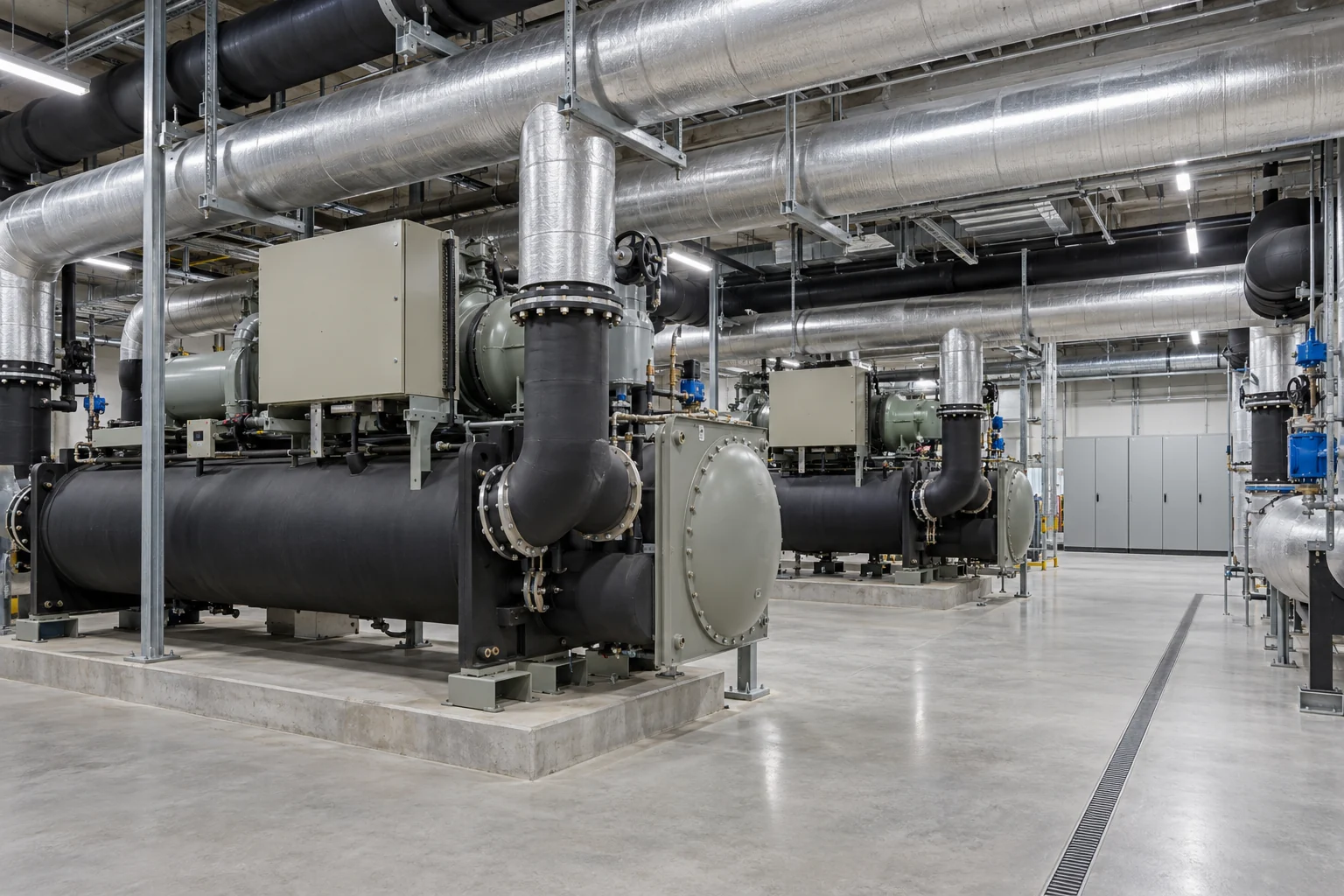
The practical question
How should a data center team approach an unexplained environmental change?
Select the affected zone and time, identify active cooling and electrical arrangements, compare load and setpoints, and use the responsible team’s records before assigning a likely explanation.
This guide considers one operating question in data centers, connecting equipment observations to the work, the available context and the people responsible for the next decision.
Start with the actual served zone.
A room sensor, a cooling unit and an upstream plant are not interchangeable information sources. Map the affected space to its relevant equipment and supply arrangement.
Confirm whether multiple readings belong to the same served area and whether maintenance or redundancy changes alter the comparison.
Sources: [1]
Record load, setpoints and operating mode.
A changed supply-air temperature can coincide with a scheduled equipment swap, IT load change, sensor relocation or a different control mode. Document these factors before treating the difference as a defect.
Hypothetical example: a higher return-air temperature appears after a maintenance handover. The team checks which units were active and whether load patterns changed, rather than assuming a failed chiller.
Compare efficiency without losing reliability context.
Energy use deserves attention, but the apparent lowest-consumption period is not automatically an appropriate operating target. Cooling and power redundancy support continuity requirements that must remain visible.
Use an agreed performance question and make assumptions explicit. Facility staff retain control of approved operating settings and change procedures.
Sources: [2]
Turn a dashboard concern into a supported review.
Capture the observation, its timespan, comparable periods and missing evidence. Record who can verify the sensor or equipment explanation.
For VIEOX, a suitable first question is where teams lose time linking systems and historical records to explain one recurring facility concern.
Put the question to work
A practical checklist
- Identify thermal or electrical zone and related equipment.
- Record current load, redundancy state and setpoints.
- Check instrumentation and maintenance events before comparing periods.
- Preserve the site’s approved switching and change controls.
Questions, answered
Does lower energy use always mean better operation?
No. Evaluate within the facility’s reliability, environmental and redundancy requirements.
Can we start from a single repeated alarm?
Yes. One documented question is often more useful than proposing a broad integration effort first.