


Water & Wastewater · A VIEOX perspective
Put the pumping record into its process context.
A practical guide to reviewing pumping and treatment activity with clear equipment identity, operating periods, measurement context and useful comparisons.
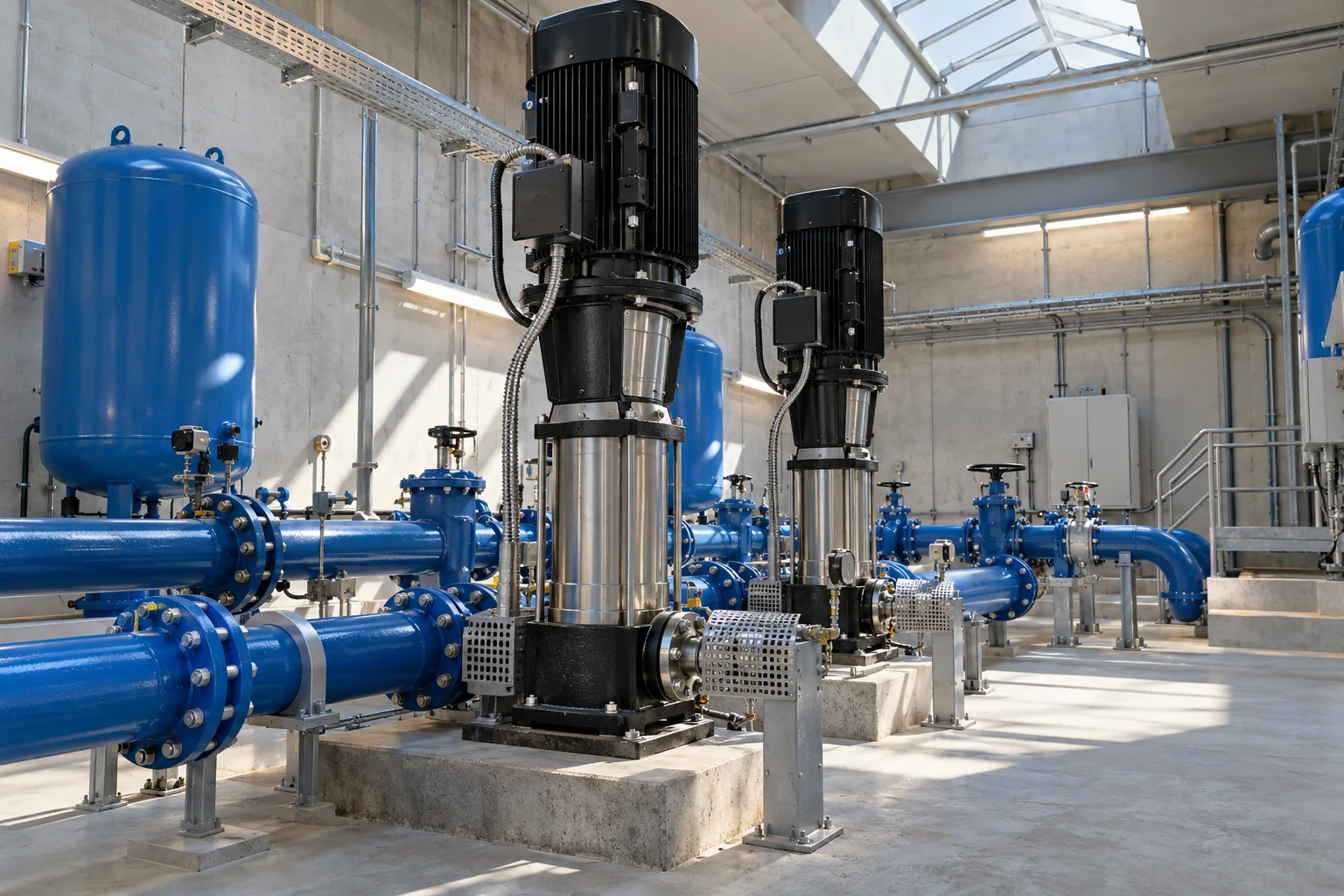
The practical question
What makes a pumping or treatment comparison meaningful?
Define the equipment and process duty, align the observation periods and establish which measurements describe the work. Compare periods on a basis the operating team can explain, with incomplete data and unconfirmed explanations kept visible.
An activity total or a changing reading can start a valuable conversation. To understand it, the team needs to know what the equipment was doing, which part of the process it served and what the surrounding record can establish.
Choose the process question
EPA identifies pumping and treatment as important energy-consuming activities in water systems and discusses aeration equipment within wastewater treatment. These are distinct operating activities that need their own context.
Start with the question your team wants to answer. Has a pumping period changed? Is an equipment observation recurring? Does an energy total need explaining? Name the station, process stage and asset group involved, together with the period that prompted the enquiry.
Avoid collecting every available value before the purpose is clear. The responsible operators and engineers can help identify which measurements, activity records and notes are relevant to the question.
Sources: [1]
Give each measurement a place
Identify the physical location and meaning of the readings being reviewed. A flow measurement from one path and a pressure reading from another need an established relationship before they can describe the same duty. Use the site’s accepted asset and measurement references.
Keep units, observation times and the source of each value visible. Explain whether a total covers the selected equipment or a wider area. If a calculation is used, make its inputs and period understandable to the intended reader.
A meter total can be useful even when it does not isolate one machine. Its boundary simply needs to be stated so that the reviewer does not attribute the whole result to an asset it only partly represents.
Compare the duty as well as the period
Ask which operating circumstances the team considers material. The relevant context may include the process stage, equipment arrangement, flow period, local conditions and work recorded during that interval. Establish these through the actual operating records.
For an energy comparison, retain both the metering scope and the work represented. A consumption-per-volume summary describes the selected records and boundaries; it should not silently become a general judgement of equipment efficiency.
Choose the comparison because it answers the enquiry. If two periods differ in a way that matters, explain it. A record showing that the comparison is unsuitable is more useful than a confident label attached to an unclear result.
Connect observations with follow-up
EPA’s asset-management guidance links knowledge of asset condition and importance with decisions about maintaining service. An operating observation becomes more useful when its equipment and service relationship are understood.
Bring the relevant work history and operator notes into the sequence. A recent inspection, changed duty or instrument question may help frame the investigation. Keep each as evidence to examine rather than an assumed explanation.
State what remains open and who will handle the next review. Any change to pumping arrangements, treatment settings or operating controls follows the organisation’s established process and responsible personnel. The information account should make that responsibility clear.
Sources: [2]
An illustrative situation
An example: a longer run with several possibilities
Hypothetical example: a pumping-station summary shows longer recorded run time than a previous period. A first comment suggests that the pump has become inefficient.
The team establishes the equipment arrangement, selected time window and the flow record available for both periods. It finds that one comparison included a different operating duty and a gap in the associated measurement. Those differences prevent the simple conclusion from being supported.
The engineer records a narrower enquiry and identifies the evidence needed to examine equipment condition. The operating team keeps its established response arrangements. The benefit of the review is a clearer account of the question, not a claimed diagnosis or saving.
Make the information need specific
Ask which part of the review was hardest to reconstruct. Was the asset reference unclear? Did the meter cover a wider area? Could the team explain the duty for the period? These are concrete information needs that can be discussed and assessed.
Bring one such example to VIEOX. We can start with the reader, the records and the intended use, then explore the fit of ConverEDGE to an agreed scope. A useful first result is an operating account your team can interpret, question and follow through.
Put the question to work
A practical checklist
- Define the station, process stage and equipment duty.
- Identify the location and meaning of each measurement.
- Align time windows and explain metering boundaries.
- Choose a comparison the operating team considers relevant.
- Keep the evidence gaps and follow-up responsibility visible.
Questions, answered
Does longer pump run time establish poor equipment condition?
Run time is one observation. The operating duty, flow period, equipment arrangement and available condition evidence determine what can be concluded. A comparison should establish those relationships before assigning an explanation.
Can energy records help a treatment review?
They can help answer a defined question when the meter boundary, process activity and time scope are clear. Their relevance should be assessed alongside the operating and quality records required by the responsible team.